


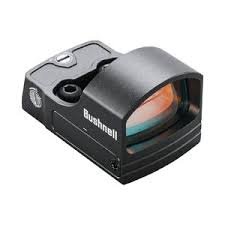
Maintaining a perfect zero is the biggest challenge for any professional gun sight. Even a microscopic shift in the internal lens housing can lead to significant accuracy errors when shooting at long-range distances.
In the B2B sector, reliability under extreme stress is the only metric that matters. If your optical system suffers from fogging or mechanical failure after a few rounds, the entire device fails the user's mission requirements.
We understand that balancing high light transmission with rugged durability is a difficult task. You need an optical solution that stays clear in low light while withstanding the heavy kinetic energy of repeated recoil.
The Struggle with Parallax and Eye Relief Alignment
A common problem in professional shooting is parallax error. This occurs when the reticle and the target do not sit on the same optical plane. If the shooter's eye moves slightly off-center, the point of aim shifts. In a high-stakes B2B environment, such as defense or law enforcement, this inconsistency is unacceptable.
To solve this, advanced gun sight designs utilize side-focus adjustment knobs or fixed-parallax lenses calibrated for specific ranges. Furthermore, optimizing eye relief—the distance between the eye and the lens—is vital. A generous eye box allows for faster target acquisition, ensuring the shooter can see a full image even when mounting the weapon quickly under pressure.
Eliminating Thermal Drift and Zero Shift
Environmental factors are the silent killers of precision optics. When a weapon is fired, the barrel and the rail generate heat. This thermal energy transfers to the optical sight, causing the metal housing to expand. If the materials are not matched correctly, the lenses will shift, leading to "zero drift."
Professional manufacturers solve this by using Aeronautical Grade Aluminum or titanium housings with low thermal expansion. Internal components are often "potted" or secured with industrial-grade adhesives that maintain their grip across a wide temperature range. This ensures that the first shot and the hundredth shot hit the same target, regardless of the ambient heat or rapid-fire conditions.
Solving the Low-Light Visibility Paradox
B2B buyers often demand high magnification, but higher zoom usually means a darker image. This happens because the objective lens cannot gather enough light to fill the exit pupil at high power. For night operations or dusk surveillance, a dim sight is a major liability.
The solution involves high-index glass and multi-layer Anti-Reflective (AR) coatings. These specialized coatings increase light transmission to over 95%. By pairing these optics with an illuminated reticle (etched into the glass), users can maintain a clear point of aim against dark targets without the "blooming" effect that plagues lower-quality LED sights.
Ruggedization Against Recoil and Moisture
A gun sight must be more than just clear; it must be a sealed unit. Internal fogging occurs when nitrogen or argon gas leaks out and is replaced by humid air. Once moisture enters the lens stack, the device is useless.
High-precision manufacturing ensures every unit is:
-
Nitrogen Purged: To prevent internal fogging and corrosion.
-
IP68 Waterproof: Ensuring the sight can be submerged or used in heavy rain.
-
Shockproof Rated: Tested to withstand thousands of Gs of force to ensure the prism or lens elements do not crack or shift under heavy caliber recoil.
Conclusion
At Arvroptical, we manufacture and supply elite gun sight components designed for total precision. As a top supplier, we ensure your optical projects meet the highest rugged standards.

 English