


The global swimwear market is projected to reach a valuation of approximately $24 billion in 2026, yet for B2B stakeholders—retailers, brand owners, and procurement managers—this growth comes with a new set of complex hurdles. As we move deeper into the 2026 season, the industry is no longer just about aesthetic "beach-ready" designs. It is about navigating a landscape defined by mandatory sustainability regulations, fragile global supply chains, and a consumer base that demands radical transparency.
For many brands, the "old way" of hands-off manufacturing is failing. If you are struggling with high return rates, sourcing ethical materials, or meeting the new EU Digital Product Passport (DPP) requirements, you are not alone. These are the systemic problems currently reshaping the swimwear industry.
1. The Sustainability Mandate: From "Green" to "Governed"
In previous years, using recycled polyester was a marketing "plus." In 2026, it is a baseline requirement. With new regulations targeting textile waste and "greenwashing," swimwear brands are now legally obligated to provide verifiable data on their material origins.
-
The Problem: Many traditional factories cannot provide the traceability required for the Digital Product Passport.
-
The Shift: Leading B2B players are moving toward regenerated polyamides (like Econyl) and GRS-certified (Global Recycled Standard) materials.
-
The Solution: Partnering with manufacturers who offer end-to-end transparency. If your supplier cannot provide a "facility identifier" or chemical usage reports that meet REACH standards, your inventory risks being sidelined by future trade disruptions.
2. The High Cost of "Poor Fit": Managing Return Rates
Swimwear remains one of the most difficult categories for e-commerce. Current industry data shows that return rates for women’s swimwear can soar as high as 25–30%, primarily due to sizing inconsistencies and lack of support.
-
The Technical Gap: Performance swimwear is unforgiving. A minor error in stitching tension or panel alignment can ruin the compression and fit of a high-waisted bikini or a technical one-piece.
-
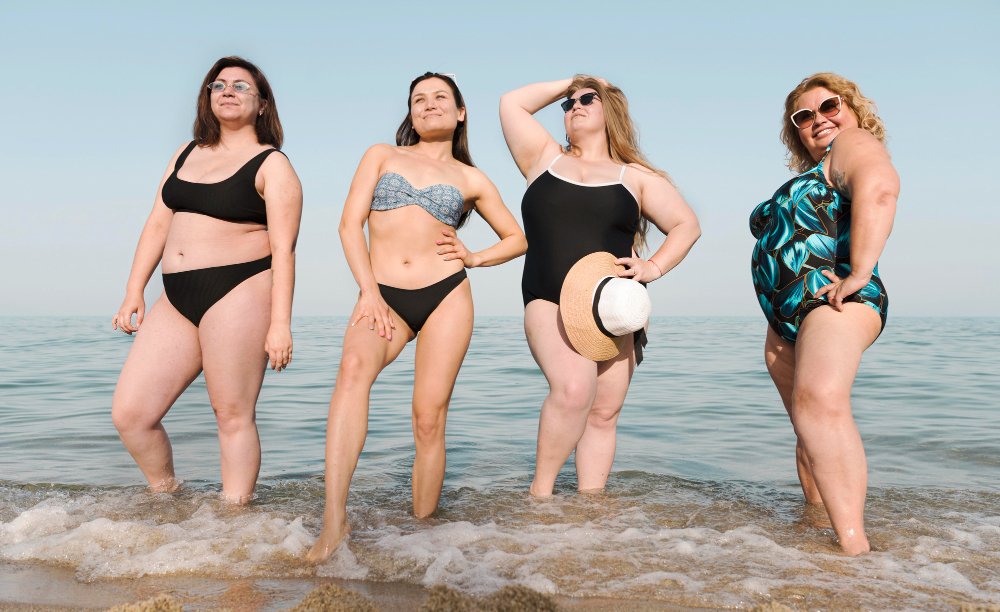
B2B Strategy: To mitigate these losses, smart retailers are investing in 3D virtual sampling and digital fitting tools. By refining the "tech pack" before a single physical sample is sewn, brands can reduce waste and ensure that the final product matches the "real-world" proportions of a diverse, body-positive consumer base.
3. Supply Chain Agility and "Nearshoring"
Geopolitical tensions and climate volatility continue to destabilize traditional shipping routes in 2026. For a seasonal product like swimwear, a delay of even three weeks can result in missed "peak" summer sales and forced markdowns.
"The defining challenge for swimwear in 2026 is not choosing between creativity and efficiency, but integrating both through agile supply chains."
Many brands are now adopting a "Nearshoring" model—moving production closer to their primary markets (such as Portugal for Europe or Mexico for North America). This reduces lead times and allows for "small-batch" production runs, which prevents the overproduction of unsold inventory—a practice now being banned in several major jurisdictions.
4. Fabric Innovation: Beyond the Surface
The 2026 consumer is looking for "multifunctional" apparel. We are seeing a surge in demand for hybrid swimwear that transitions from the pool to the gym or the street.
-
Technical Requirements: Modern fabrics must offer UV protection (UPF 50+), chlorine resistance, and quick-drying properties without sacrificing the "soft-touch" feel.
-
The B2B Opportunity: Brands that source smart textiles—including those with improved moisture-wicking and thermal management—are seeing higher repeat-purchase rates.
Key Market Statistics for 2026
| Metric | Estimated Value | Key Driver |
| Global Market Size | $23.95 Billion | Post-pandemic tourism recovery |
| Online Sales Share | ~82% | Privacy of home try-ons |
| Women’s Segment Share | 63% | Inclusive sizing & fashion diversity |
| Top Material | Polyester/Nylon | Durability & UV resistance |
Conclusion
To thrive in the 2026 swimwear market, B2B leaders must pivot from being mere "sellers" to becoming "stewards" of their supply chain. This means prioritizing ethical labor, embracing AI-driven demand forecasting to reduce deadstock, and ensuring every garment is built for longevity.
The brands that will emerge as winners are those that can prove their products are as kind to the ocean as they are to the person wearing them.

 English