


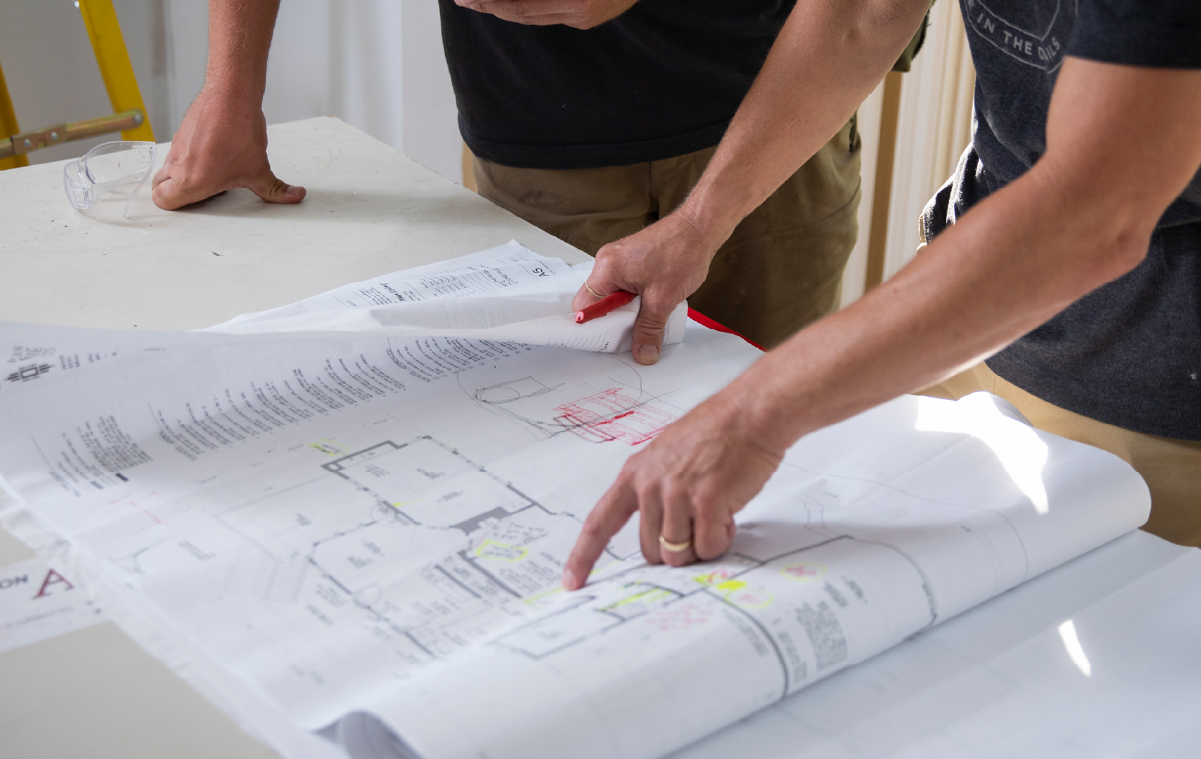
Construction projects require careful coordination, clear objectives, and strategic execution to succeed. Whether it’s a residential development, commercial building, or large-scale infrastructure project, proper planning is the foundation of success. Without it, projects can face delays, budget overruns, and quality issues.
This guide walks you through the essential steps of construction project planning to ensure smooth execution and successful outcomes.
What Is Construction Project Planning?
Construction project planning is the process of organizing all aspects of a construction project before work begins. It involves defining goals, allocating resources, setting timelines, and identifying potential risks.
A well-structured plan provides a roadmap that guides the entire project from start to finish.
Step 1: Define Project Scope and Objectives
The first step in planning is to clearly define what the project aims to achieve. This includes:
-
Project goals and deliverables
-
Size and type of construction
-
Budget expectations
-
Timeline requirements
A clear scope helps prevent misunderstandings and ensures all stakeholders are aligned from the beginning.
Step 2: Conduct Feasibility Analysis
Before proceeding, it’s important to evaluate whether the project is viable. This includes:
-
Financial feasibility
-
Site conditions and location analysis
-
Regulatory and legal requirements
-
Environmental considerations
Feasibility studies help identify potential challenges and determine if adjustments are needed.
Step 3: Develop a Detailed Budget
Accurate budgeting is critical for project success. A comprehensive budget should include:
-
Material costs
-
Labor expenses
-
Equipment and machinery
-
Permits and administrative costs
-
Contingency funds for unexpected expenses
Regular budget reviews ensure that costs remain under control throughout the project.
Step 4: Create a Project Schedule
A well-defined schedule outlines the timeline for each phase of the project. This includes:
-
Task sequencing
-
Milestones and deadlines
-
Resource availability
Using scheduling tools helps track progress and ensures timely completion of tasks.
Step 5: Resource Planning and Allocation
Efficient use of resources is essential for productivity. This step involves:
-
Assigning skilled labor and teams
-
Procuring materials and equipment
-
Coordinating with suppliers and contractors
Proper resource planning prevents delays and ensures smooth workflow.
Step 6: Risk Assessment and Management
Construction projects often face risks such as weather delays, cost fluctuations, and design changes.
Risk management involves:
-
Identifying potential risks
-
Evaluating their impact
-
Developing mitigation strategies
Being prepared for risks helps minimize disruptions and keeps the project on track.
Step 7: Obtain Permits and Approvals
Before construction begins, all necessary permits and approvals must be secured. This includes:
-
Building permits
-
Environmental clearances
-
Safety certifications
Compliance with regulations ensures legal and safe project execution.
Step 8: Establish Communication and Coordination
Clear communication among stakeholders is key to project success. This involves:
-
Regular meetings and updates
-
Defined roles and responsibilities
-
Transparent reporting systems
Effective communication reduces misunderstandings and improves collaboration.
Step 9: Implement Quality Control Measures
Maintaining high-quality standards is essential for long-term success. This step includes:
-
Setting quality benchmarks
-
Conducting regular inspections
-
Ensuring proper materials and workmanship
Quality control helps prevent defects and costly rework.
Step 10: Monitor and Adjust the Plan
Construction planning is not a one-time process—it requires continuous monitoring.
Project managers should:
-
Track progress against the schedule
-
Review budget performance
-
Address issues promptly
Flexibility allows adjustments to be made as conditions change, ensuring project success.
Benefits of Effective Construction Project Planning
Proper planning offers several advantages:
-
Reduced project delays
-
Better cost management
-
Improved resource utilization
-
Enhanced quality and safety
-
Stronger stakeholder coordination
These benefits contribute to successful and efficient project delivery.
Common Mistakes to Avoid
Avoid these common planning errors:
-
Incomplete project scope
-
Unrealistic timelines
-
Poor budget estimation
-
Lack of risk management
-
Ineffective communication
Recognizing and avoiding these mistakes can significantly improve project outcomes.
Conclusion
Construction project planning is the backbone of any successful building project. By following a structured, step-by-step approach, project managers can ensure efficient execution, cost control, and high-quality results.
From defining objectives to monitoring progress, every stage of planning plays a crucial role in achieving project goals. Investing time and effort in proper planning not only reduces risks but also sets the foundation for long-term success in the construction industry.

 English