


In the construction industry, managing assets effectively is crucial to maintaining operational efficiency and profitability. Whether it's machinery, vehicles, or tools, equipment represents a significant investment. Ensuring that these assets are properly tracked, maintained, and used efficiently can make or break a project. Construction asset tracking software has become a game-changer, offering solutions that streamline asset management, reduce losses, and improve resource allocation.
By integrating advanced tracking systems and data management tools, construction companies can monitor asset locations, usage, maintenance schedules, and more. This level of oversight helps businesses avoid costly mistakes, ensure that equipment is being used optimally, and safeguard valuable resources. Here's how software is transforming asset management in construction.
The Need for Efficient Asset Management in Construction
Construction companies rely on a wide range of equipment and machinery to complete projects, from excavators and bulldozers to cranes and scaffolding. These assets are costly, and their efficient use is crucial to a project's success. Managing these assets without proper tracking can lead to inefficiencies, including:
-
Misplacing or losing expensive equipment
-
Difficulty in monitoring equipment utilization
-
Increased maintenance and repair costs
-
Downtime due to unexpected breakdowns
-
Delays caused by the unavailability of equipment
Without a streamlined way to track and manage assets, these problems can add up, leading to lost time and resources. This is where construction asset tracking software steps in, providing a more organized and reliable approach to managing construction equipment.
How Construction Asset Tracking Software Works
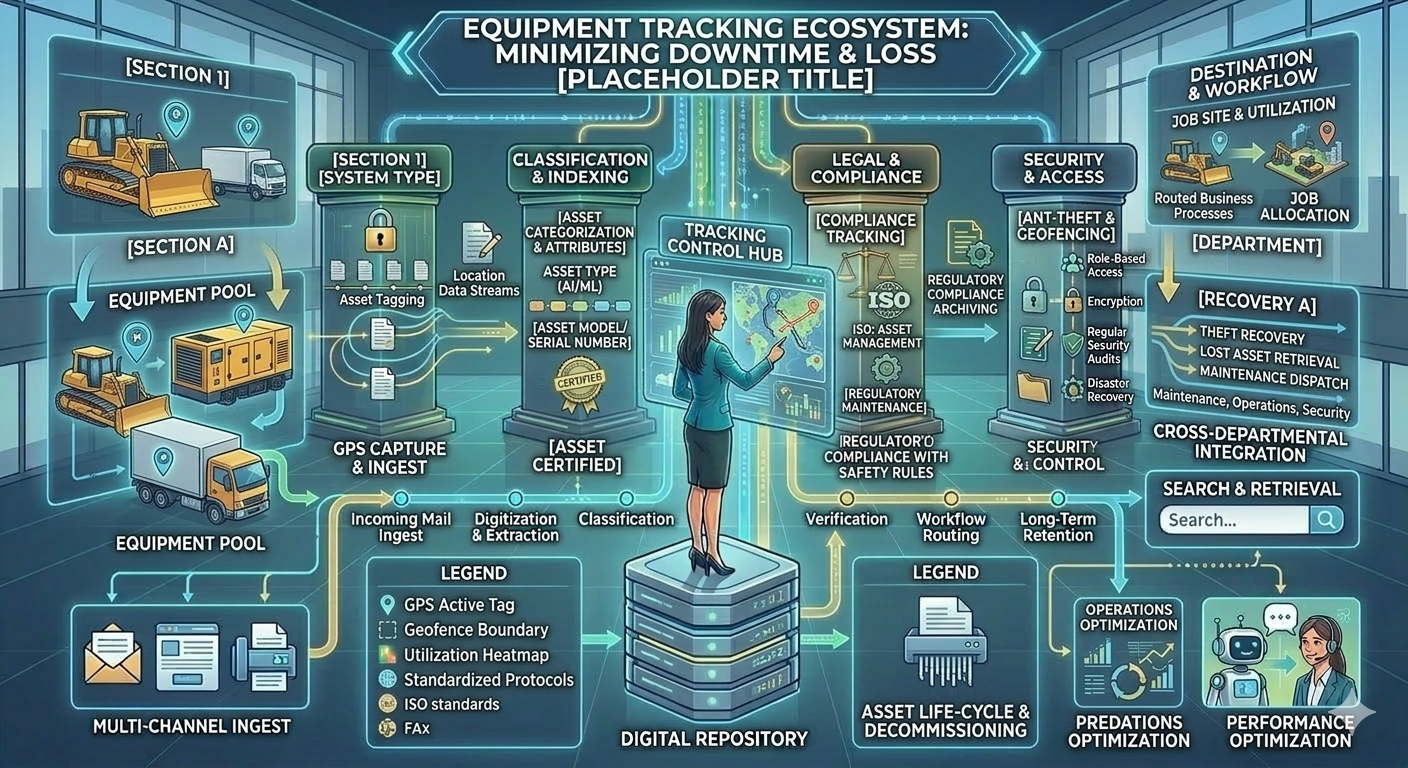
Construction asset tracking software is designed to help construction companies monitor, track, and manage their assets in real time. Through a combination of GPS technology, barcoding, RFID, and integrated data systems, the software enables managers to keep tabs on their fleet, tools, and materials from anywhere.
With this software, construction firms can track equipment locations, monitor usage, and schedule maintenance tasks all in one place. The software consolidates asset data into a centralized system, providing valuable insights that help improve decision-making and resource allocation.
Key Features of Construction Asset Tracking Software:
-
Real-Time Location Tracking: GPS-enabled systems allow managers to know where their equipment is at any given time, preventing losses and optimizing deployment.
-
Maintenance Scheduling: Automated reminders ensure that equipment is serviced on time, reducing the risk of breakdowns and improving asset longevity.
-
Utilization Reports: Data-driven insights show how often equipment is being used, helping to maximize asset efficiency and identify underutilized machinery.
-
Cost Tracking: The software tracks maintenance costs, fuel consumption, and repair expenses to give businesses a clearer picture of the total cost of ownership.
By providing a comprehensive view of equipment performance and condition, construction asset tracking software helps businesses manage their assets more effectively and efficiently.
Preventing Equipment Loss and Theft
The construction industry faces an ongoing risk of equipment theft. With machinery often stored on job sites or in remote locations, it can be difficult to prevent unauthorized use or theft. The high value of construction equipment makes it an attractive target for thieves, and recovering stolen equipment can be a lengthy and costly process.
Construction asset tracking software helps minimize the risk of theft by offering real-time location tracking. If equipment is moved outside of a designated geofence or removed from a job site, managers are immediately notified, allowing for quick intervention.
Benefits of Using Asset Tracking to Prevent Theft:
-
Geofencing: Set up virtual boundaries around job sites or storage areas to get instant alerts when equipment moves outside these zones.
-
Real-Time Tracking: GPS tracking allows managers to locate stolen equipment quickly and work with law enforcement to recover it.
-
Activity Monitoring: By tracking machine usage, software can alert managers to any unusual activity or unauthorized use of equipment.
With proactive asset tracking, construction companies can reduce the likelihood of theft and recover stolen equipment faster.
Optimizing Equipment Utilization
Maximizing the use of available equipment is key to improving operational efficiency and reducing costs. Idle equipment represents a financial drain, as it incurs maintenance and fuel costs without contributing to the project. On the other hand, over-utilizing machinery can lead to wear and tear, potentially increasing repair costs and shortening the lifespan of equipment.
Construction asset tracking software provides valuable insights into equipment utilization. By monitoring how often and for how long each machine is used, the software helps managers identify underutilized assets that can be redeployed to other projects.
How Tracking Software Optimizes Equipment Utilization:
-
Identify Underused Equipment: The software provides data on which equipment is being used frequently and which is left idle, allowing managers to redistribute machinery to where it's needed most.
-
Optimize Scheduling: By analyzing usage patterns, managers can schedule equipment for peak efficiency, ensuring machines are being used for the right tasks at the right time.
-
Prevent Overuse: Tracking machine usage helps prevent over-reliance on specific equipment, which can reduce unnecessary wear and tear.
By optimizing equipment utilization, construction companies can reduce operational costs and ensure that machinery is being used effectively across all projects.
Improving Maintenance Management
Unplanned downtime due to equipment failure can significantly delay a project, resulting in missed deadlines and increased labor costs. Timely maintenance is essential to keeping equipment in working order and preventing costly breakdowns. However, managing a large fleet of machines and ensuring they receive proper maintenance can be a challenging task.
Construction asset tracking software helps streamline maintenance management by providing automated reminders for routine inspections and repairs. The software tracks maintenance history and equipment performance, allowing managers to identify patterns in equipment failure and address issues before they result in costly repairs.
Key Maintenance Benefits of Asset Tracking Software:
-
Proactive Maintenance Scheduling: Automated alerts ensure equipment is serviced based on usage data, preventing breakdowns and extending the life of machinery.
-
Track Repair History: Keep a detailed record of past repairs and maintenance, helping identify recurring issues and informing future maintenance strategies.
-
Cost Control: Track maintenance and repair costs to better manage budgets and make informed decisions about equipment replacement or repairs.
By improving maintenance management, construction companies can reduce downtime, lower repair costs, and keep their equipment in peak operating condition.
Enhancing Reporting and Analytics
Data is essential for making informed decisions. Construction asset tracking software provides in-depth reporting and analytics tools that allow managers to track equipment performance, costs, and utilization trends over time. By analyzing this data, companies can make smarter decisions regarding fleet expansion, maintenance, and resource allocation.
How Data and Analytics Benefit Construction Companies:
-
Operational Insights: Gain a deeper understanding of how equipment is performing, which helps improve decision-making and project planning.
-
Cost Analysis: Analyze fuel consumption, maintenance costs, and other operating expenses to identify areas where savings can be made.
-
Fleet Performance Tracking: Monitor how well equipment is performing across different projects, helping to identify which assets are providing the best return on investment.
By leveraging data, construction companies can optimize their operations and improve overall project efficiency.
Conclusion
Efficient asset management is essential for the success of any construction company. By implementing construction asset tracking software, businesses can better manage their equipment, reduce the risk of theft, optimize utilization, and improve maintenance practices. With real-time tracking, predictive maintenance, and data-driven insights, this software provides the tools needed to ensure that assets are being used effectively and that downtime is minimized.
Investing in asset tracking software allows construction companies to safeguard their equipment, streamline operations, and ensure that projects stay on schedule and within budget. In today's competitive construction environment, efficient asset management is not just a convenience; It's a necessity.

 English