


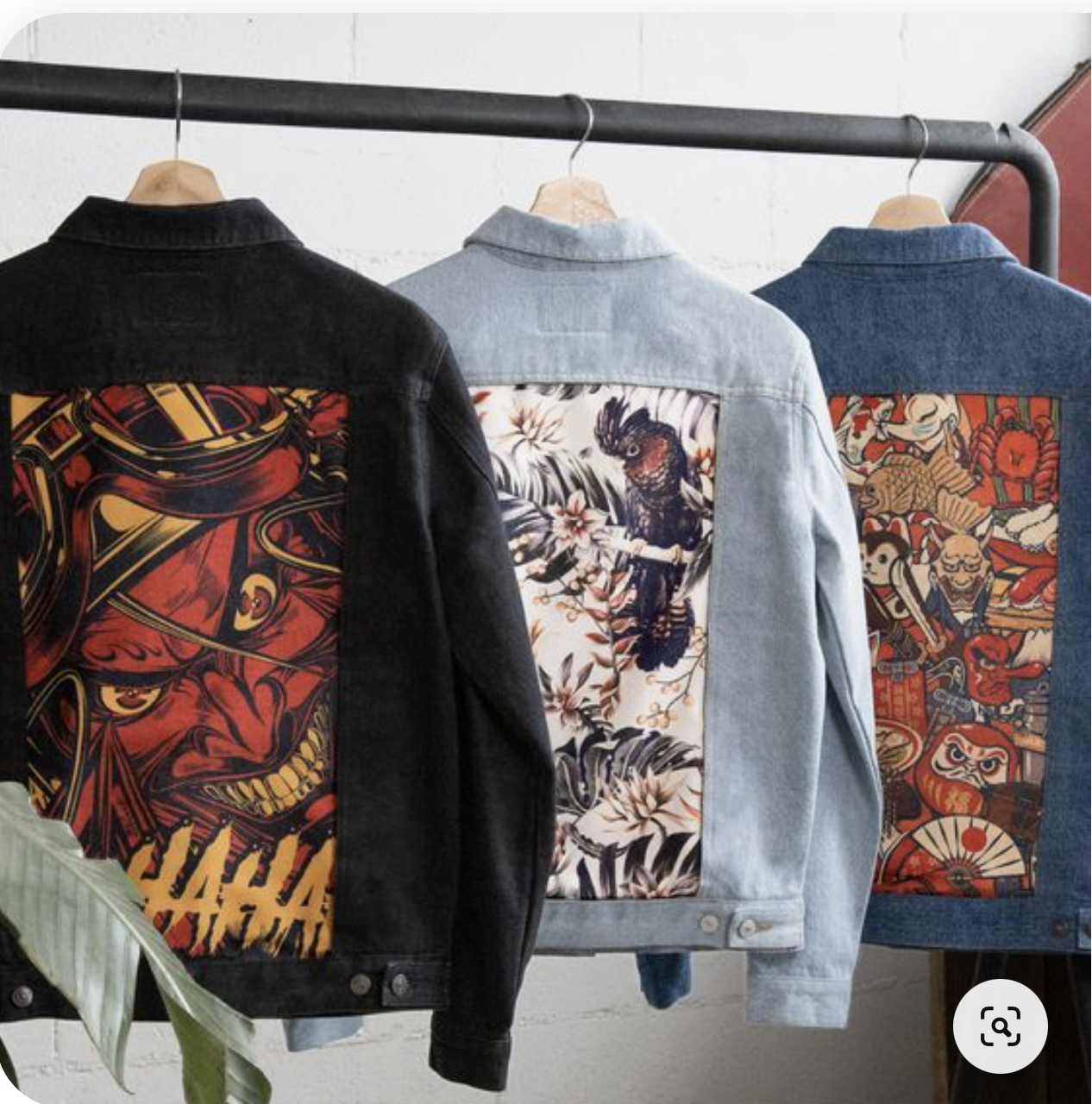
Custom hoodies are an excellent way to promote your business, increase brand visibility, and provide employees or customers with stylish, comfortable apparel. Whether you're looking to create hoodies for a marketing campaign, event, or uniform, choosing the right custom hoodie design and material is crucial. In this article, we'll guide you through the process of selecting the perfect custom hoodie for your business, ensuring you make a choice that aligns with your brand, objectives, and budget.
1. Understand Your Business Needs
Before diving into design and customization, it’s essential to understand the specific needs of your business. Custom hoodies can serve various purposes, and knowing your primary goal will help you make the right decision.
-
Brand Promotion: If your goal is to increase brand awareness, choose a hoodie that features your logo prominently and is likely to be worn in public. The more visible your branding, the better it will work as a marketing tool.
-
Employee Uniforms: For employee uniforms, comfort and durability are key. Choose materials and designs that will ensure your team looks professional and feels comfortable while working.
-
Event or Giveaway Merchandise: If you're creating custom hoodies for an event or as promotional merchandise, consider trendy designs or limited-edition releases that will appeal to your audience. Think about how to make these hoodies memorable and desirable.
2. Select the Right Material
The material of your custom hoodie plays a significant role in its quality, comfort, and durability. It’s essential to choose the right fabric based on the purpose of the hoodie and the preferences of your target audience.
-
Cotton: Cotton is a classic choice for custom hoodies. It’s soft, breathable, and comfortable, making it ideal for casual wear or employee uniforms. Organic cotton is also a great option for businesses focused on sustainability.
-
Polyester and Blends: Polyester is durable and moisture-wicking, making it suitable for hoodies that will be used in active environments or for promotional giveaways. Blended fabrics that combine cotton and polyester offer a balance of softness and durability.
-
Fleece: For colder weather or a cozy feel, fleece-lined custom hoodies provide warmth and comfort, making them ideal for promotional winter wear or team uniforms.
3. Choose the Right Hoodie Fit and Style
Hoodies come in various styles and fits, each with its own appeal depending on the audience and purpose. Consider how the hoodie will be worn and choose a style that suits your business needs.
-
Classic Fit vs. Slim Fit: The fit of the hoodie is important for both style and comfort. A classic fit is more relaxed and works well for general promotional wear or as part of a team uniform. A slim fit, on the other hand, is trendy and can be a better option for fashion-conscious customers or employees.
-
Zip-Up vs. Pullover: Zip-up hoodies provide ease of wear and can be ideal for layering, while pullovers are more traditional and offer a clean, seamless look. Consider your brand’s style and the practicality of each option when making a choice.
-
Custom Shirts vs. Hoodies: If you are offering both custom shirts and custom hoodies as part of your merchandise, make sure the designs complement each other. For instance, if your custom shirts feature minimalist graphics, you may want your custom hoodies to follow a similar theme for brand consistency.
4. Pick the Right Color for Your Brand
The color of your custom hoodie plays a significant role in how it represents your brand. It’s important to choose a color that aligns with your branding and makes a statement.
-
Brand Colors: If your business already has a defined color scheme, it’s essential to incorporate those colors into your custom hoodie design. Consistency across all marketing materials and apparel is key to building a recognizable brand identity.
-
Seasonal Colors: Think about the season when your custom hoodies will be worn. Darker tones like black, navy, or charcoal gray are popular in the fall and winter, while lighter hues such as pastels, white, or bright colors are great for spring and summer events.
-
Neutral vs. Bold: Neutral colors like black, gray, and white are timeless and professional, while bold colors such as red, blue, or green can make your hoodie stand out and grab attention. Choose wisely depending on your target audience and brand personality.
5. Incorporate Custom Branding Elements
Custom hoodies are a reflection of your brand, and the right design can help strengthen your brand identity. Consider how you want to incorporate branding elements such as logos, slogans, or graphics.
-
Logo Placement: The most common placement for logos on custom hoodies is on the chest area, but you can also consider placing the logo on the sleeve or the back. Make sure the logo is large enough to be visible but not overwhelming.
-
Slogans and Taglines: If your brand has a catchy slogan or tagline, incorporating it into the design can help create a stronger connection with your audience. Consider placing the slogan on the back or sleeve of the hoodie to add an extra touch of personalization.
-
Unique Designs: Apart from logos, you can add custom graphics, patterns, or designs that reflect your business’s personality. Whether it's an abstract print or a custom illustration, make sure it ties back to your brand story.
6. Consider the Printing Technique
The printing technique you choose for your custom hoodie plays a crucial role in the final product's quality and longevity. The right method will ensure that your design is vibrant and durable.
-
Screen Printing: Ideal for bulk orders, screen printing is a cost-effective way to apply a design to custom hoodies. It’s perfect for simple designs or logos and offers vibrant, long-lasting prints.
-
Embroidery: For a more upscale look, embroidery is a great option. It’s often used for logos and small designs on hoodies and adds a premium feel to the product.
-
Direct-to-Garment (DTG) Printing: If you want to create highly detailed or multi-colored designs, DTG printing is the way to go. This method works well for complex artwork and produces high-quality prints directly on the fabric.
7. Plan for Customization Options
Offering customization options can take your custom hoodie to the next level. Customers love to have a personalized touch, and allowing them to add their names, initials, or special messages can increase their connection to the hoodie.
-
Personalization: Consider offering customers the option to personalize their custom hoodies with their name, number, or a personal message. This can be particularly appealing for businesses creating team apparel or event merchandise.
-
Limited Edition Designs: Create a sense of exclusivity by offering limited edition designs. This can be especially effective for special events, product launches, or seasonal promotions.
Conclusion
Choosing the perfect custom hoodie for your business requires careful consideration of various factors, from the material and fit to the design and printing techniques. By understanding your business needs, selecting the right hoodie style, and incorporating your brand’s unique elements, you can create custom hoodies that not only promote your business but also resonate with your target audience. Whether for promotional purposes, employee uniforms, or merchandise, custom hoodies are a fantastic way to build brand recognition, create lasting impressions, and offer something of value to your customers.

 English