


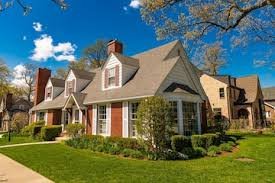
If you’re looking for a calm, settled neighbourhood in southeast Calgary, Acadia is worth a close look.
It’s not flashy.
It is:
- Mature and established
- Full of tree‑lined streets
- Close to everything, but with many quiet pockets
This guide focuses on safe, quiet community living in Acadia, and what to think about when you’re looking at homes for sale here.
Where Acadia Is (and why it can feel calm)
Acadia sits in southeast Calgary, between:
- Heritage Drive (north)
- Southland Drive (south)
- Macleod Trail (west)
- Deerfoot Trail (east)
What that means day to day:
- Major roads are close, but most homes are on interior residential streets
- You can get in and out of the area quickly
- Through‑traffic mostly sticks to the big roads, not the side streets
Inside the community you’ll see:
- Bungalows and split‑level houses
- Sidewalks and mature trees
- Local schools and parks
- A mix of long‑time owners, families, and downsizers
That “lived‑in” feel is a big part of why it can feel safe and quiet once you’re off the main routes.
What “safe, quiet community living” really means
Everyone defines “safe and quiet” a bit differently.
In Acadia, it usually looks like:
- Residential streets where cars move slowly
- People out walking dogs, kids biking, neighbours chatting
- Noise mainly at normal hours, not all night
- Enough lighting to see where you’re going, without feeling harsh
No neighbourhood is silent or perfect.
The goal is comfortable, not “no sound at all.”
Types of homes for sale in Acadia
You’ll see several kinds of homes when you start looking.
Detached houses
Most common in Acadia.
Typical:
- 3–4 bedroom bungalows and split‑levels
- 1–3 bathrooms
- Full basements
- Yards with grass and trees
- Single or double garages
For safe, quiet living, detached homes on interior streets are often your best bet:
- Less traffic
- Fewer shared walls
- More control over your own space
Duplex / semi‑detached homes
Half‑duplexes share one wall with a neighbour.
Often:
- 2–3 bedrooms
- 1–2 bathrooms
- Fenced yards
- Driveway or front pad parking
They can still feel very quiet if:
- The shared wall construction is solid
- The street itself isn’t too busy
Townhomes
Townhomes sit in complexes with shared areas.
Usually:
- 2–3 bedrooms
- 1–2 bathrooms
- Small fenced patio or yard
- Stall or assigned parking
- Condo fees
Townhomes can be quiet if:
- The complex is well‑run
- Rules about noise and parking are enforced
- There’s decent space between units and common walls are built well
Condos
Low‑rise condos are closer to main roads.
Good if you want:
- Simpler living
- Controlled entry
- Less outdoor work
But:
- You’ll hear more noise from shared halls and nearby units
- Traffic noise can be higher if the building sits close to Macleod or a busy street
For maximum quiet, most people lean toward houses and townhomes on interior streets.
What makes some parts of Acadia feel safer and quieter
Even within one neighbourhood, some blocks feel calmer than others.
Look for:
1. Interior streets
Streets away from main roads (not backing or fronting Heritage, Southland, Macleod, or Deerfoot) often have:
- Slower local traffic
- Fewer random cars cutting through
- More neighbours who recognize each other
2. Cul‑de‑sacs and short blocks
These can feel quieter because:
- There’s less reason for strangers to drive in
- Kids often play outside more
- Cars tend to move slowly
3. Mixed‑age residents
Streets with:
- Families
- Retirees
- Long‑time owners
often feel more stable.
People notice who belongs there and who doesn’t.
4. Basic upkeep
You don’t need perfect landscaping.
But it’s a good sign if:
- Most yards are roughly cared for
- There isn’t constant junk spilling into the street
- Fences and garages are in decent shape
That usually means people care about the area.
How to check safety and quiet when house‑hunting
Listings can’t tell you how a place feels. You have to go see.
Visit at different times
If you can, check the street:
- Morning (before work/school)
- Late afternoon / early evening
- Weekend afternoon or evening
Pay attention to:
- Traffic speed and volume
- Noise from nearby roads, businesses, or schools
- How many people are outside, and what they’re doing
Walk, don’t just drive
On foot you’ll notice:
- Lighting on the street
- Sidewalk condition
- How close houses really are to each other
- Lines of sight (can people see each other’s front doors and yards)
A short walk tells you more than a quick drive‑by.
Listen outside the home you’re viewing
Simply stand still for a minute or two and listen:
- Constant highway hum?
- Barking dogs all around?
- Construction or commercial noise?
Decide if that level of sound would bother you long‑term.
Talk to people (if they’re open to it)
A quick, simple question like:
- “Do you like living on this street?”
- “Is it usually this quiet?”
gets you honest answers more often than not.
Inside the home: things that affect comfort and security
Safe, quiet living isn’t just about the street.
The house itself matters.
Noise inside
Check:
- Shared walls (if duplex/townhome) – do you hear neighbours during your visit?
- Window quality – single‑pane or drafty windows let in more outside noise
- Floor creaks – not a safety issue, but can be annoying
Good windows and solid doors help a lot with sound.
Basic security
You don’t need a fortress. Just check:
- Exterior doors close and lock properly
- Windows latch and open smoothly (also a fire safety issue)
- Outdoor lights work at entries
You can always add:
- Better deadbolts
- Motion lights
- Simple camera doorbells
But the basics should already be there.
Basement and yard
A dry, solid basement feels safer than a damp, musty one.
In the yard, look at:
- Fencing (gaps, broken boards, easy climb‑over spots)
- Visibility (can neighbours see into the yard if something is wrong?)
Complete privacy isn’t always safer.
A little visibility between yards can be a good thing.
Families and quiet living in Acadia
For families, Acadia offers:
- Several schools in or near the area
- Local playgrounds and green spaces
- Short drives or bus routes to activities and rec centres
Family‑oriented streets often:
- Have slower traffic
- Show toys, bikes, or chalk in front yards
- Feel busy right after school, then calm later
If that’s the kind of “quiet” you want—everyday family noise, not nightlife—Acadia can fit well.
Townhomes and condos: staying quiet in shared buildings
If you’re looking at townhomes or condos, quiet and safety are more about how the complex is run.
Things to check:
- House rules on noise, pets, and parking
- Condition of common areas (clean halls and stairwells say a lot)
- How often you see security doors propped open (not great if it’s common)
- How thick the walls seem during your visit
You can also ask the property manager or your agent about:
- Past complaints
- Security issues
- Recent improvements
A well‑run complex can feel very secure and calm, even with shared walls.
Is Acadia the right “safe, quiet” fit for you?
It might be, if you:
- Want a mature, central SE location
- Prefer tree‑lined streets over brand‑new suburbs
- Like the idea of bungalows or townhomes in a settled community
- Are okay with older homes as long as they’re solid and cared for
It might not be, if you:
- Want brand‑new construction only
- Need to be right downtown
- Expect complete silence (city life always has some noise)
The only way to know is to:
- Check current listings
- Walk the streets
- Stand in front of a few homes and see how it feels
Quick checklist when viewing Acadia homes
Use this to keep things simple:
Outside
- Interior street, not right on a major road
- Yards around it are mostly tidy
- Street lighting and sidewalks feel okay
- Traffic moves slowly nearby
Inside
- No strong musty or smoke smell
- Doors and windows lock and work well
- You don’t hear constant noise from neighbours or outside
- Layout feels comfortable for how you live
If you can tick most of these boxes, you’re close to the kind of safe, quiet community living many people look for in Acadia.
From there, it’s just about finding the specific house, duplex, or townhome that fits your budget and your routines.

 English