


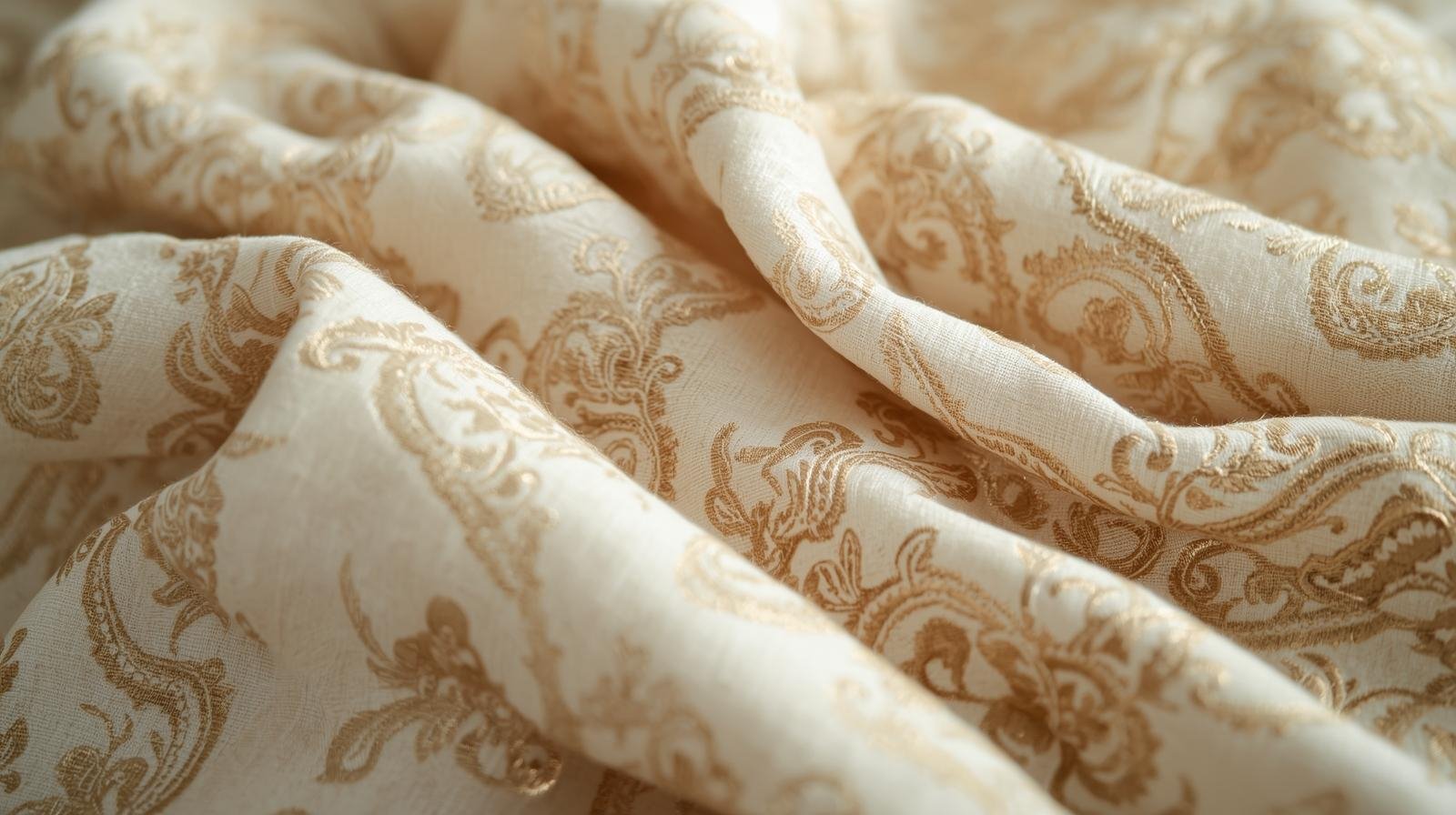
Investing in fine wool blankets is a decision that brings lasting warmth, beauty, and natural luxury to your home for many years. However, to ensure your exceptional blankets remain in perfect condition and continue to provide the comfort and elegance you invested in, proper care and maintenance are absolutely essential. The good news is that caring for fine wool blankets is entirely straightforward once you understand the specific needs of natural wool fibers. Follow these essential guidelines and your precious wool blankets will reward you with decades of outstanding beauty and comfort.
Read the Care Label First
Before doing anything else, always check the care label on your fine wool blanket carefully. Different wool types and weave constructions have subtly different care requirements, and following the specific guidance provided by the maker is always the safest and most reliable approach. The care label will provide clear instructions on washing temperatures, drying methods, and whether professional dry cleaning is recommended for your particular blanket.
Never ignore or override care label instructions however tempting shortcuts may seem. These instructions have been developed specifically for your blanket by people who know the fiber and construction intimately, and following them carefully is the single most important step you can take to protect your investment.
Hand Washing Your Fine Wool Blanket
Most fine wool blankets respond best to careful hand washing in cool or lukewarm water using a specialist wool detergent or gentle, pH neutral soap. Fill a clean bathtub or large basin with cool water and add a small amount of wool specific detergent. Submerge your blanket gently and squeeze the soapy water through the fibers softly and evenly, working across the entire blanket without rubbing, twisting, or wringing.
Rubbing and wringing are the two actions most likely to cause felting — an irreversible matting and shrinking of wool fibers that permanently damages the blanket's appearance and texture. Always handle your wet fine wool blanket with the utmost gentleness, supporting its full weight at all times to prevent stretching and distortion.
Rinse your blanket thoroughly in cool clean water, changing the water as many times as necessary until it runs completely clear and all traces of detergent have been removed. Incomplete rinsing can leave residual detergent in the fibers that attracts dirt and gradually damages the wool over time.
Machine Washing Fine Wool Blankets
Some fine wool blankets — particularly those made from specially treated superwash merino wool — may be suitable for careful machine washing on a dedicated wool or delicate cycle using cool water and a wool specific detergent. Always verify this on your care label before attempting machine washing, as not all fine wool blankets are suitable for this method.
If machine washing is permitted, place your blanket in a large mesh laundry bag to protect it during the wash cycle, use the minimum recommended amount of wool detergent, and select the gentlest available spin speed to minimize agitation and mechanical stress on the fibers.
Drying Your Fine Wool Blanket
Correct drying is absolutely critical to maintaining the shape, size, and beauty of your fine wool blanket. Never tumble dry a wool blanket unless the care label explicitly states it is safe — the combination of heat and mechanical agitation in a tumble dryer will cause severe and irreversible shrinkage and felting.
After washing, gently press excess water from your blanket using clean, dry towels without wringing or twisting. Lay the blanket flat on a clean, dry surface — ideally a drying rack or clean floor covered with fresh towels — and carefully reshape it to its original dimensions while it is still damp and malleable. Allow it to dry completely in a well ventilated space away from direct sunlight and heat sources, which can cause colors to fade and fibers to weaken.
Storing Fine Wool Blankets
Proper storage during periods when your fine wool blankets are not in regular use is essential for protecting them from moths, moisture, and compression damage. Always ensure your blanket is completely clean and thoroughly dry before storing, as soiled or damp wool is particularly attractive to moths and vulnerable to mildew.
Fold your blanket carefully and store it in a breathable cotton storage bag or clean pillowcase rather than plastic, which traps moisture and creates conditions that encourage mildew growth. Place natural moth deterrents such as cedar blocks, lavender sachets, or dried rosemary near your stored blankets to provide effective and chemical free protection against moth damage.
Dealing With Pilling
Light pilling on fine wool blankets is a natural characteristic of quality wool fibers rather than a sign of poor quality or damage. A specialist wool comb or fabric shaver used gently and carefully across the surface of your blanket will remove any pills quickly and effectively, restoring the smooth, beautiful appearance of the fabric without causing any damage to the underlying fibers.
Final Thoughts
Caring for your fine wool blankets is a small but deeply worthwhile investment of time and attention that pays rich dividends in lasting beauty, comfort, and longevity. With the right care routine consistently applied, your exceptional blankets will remain as beautiful and luxurious as the day you first brought them home. For fine wool blankets crafted to the very highest standards and designed to last a lifetime with proper care, Rumi Interiors offers a collection that is truly worth looking after with the care and attention it deserves.

 English