


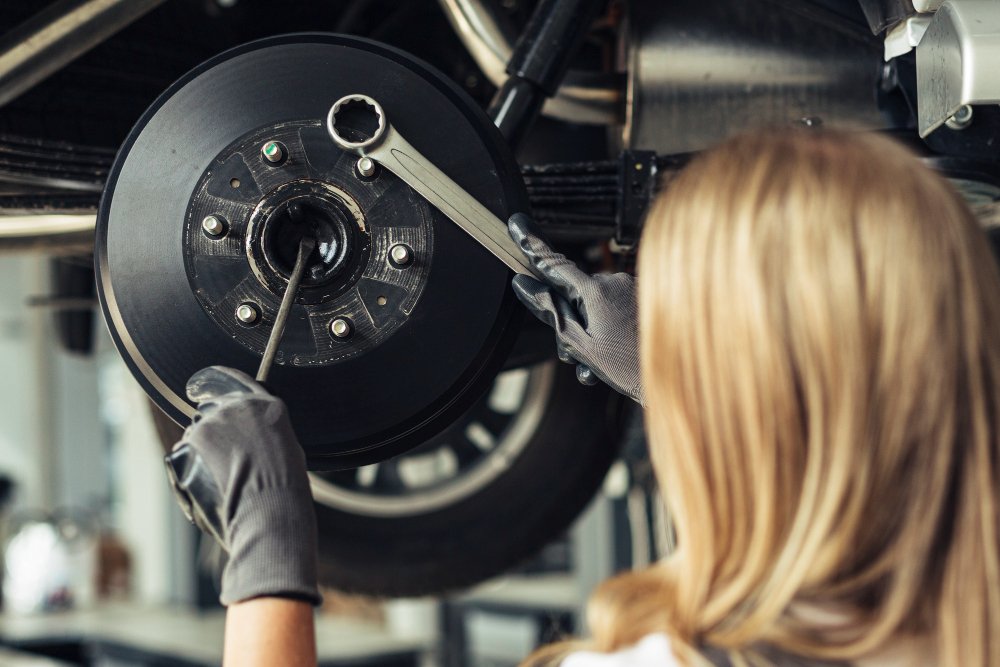
A humming, grinding, or rumbling sound coming from your vehicle’s wheels can be a clear signal that something is wrong with the wheel assembly. Many drivers initially blame tire wear, road conditions, or brake components. However, persistent wheel noise often points to a deeper mechanical issue—specifically a worn or failing hub bearing.
Hub bearings are essential components that allow the wheels to rotate smoothly while supporting the vehicle’s weight. They help maintain proper alignment and ensure the wheels spin with minimal friction. When a hub bearing begins to wear out, the vehicle may produce unusual noises and vibrations that gradually worsen over time.
High-quality components like hub bearing solutions are designed to handle heavy loads and constant rotation. However, even durable bearings can eventually wear out due to long-term use and harsh driving conditions.
Understanding the Role of Hub Bearings in Your Vehicle
The hub bearing sits inside the wheel hub assembly and plays a crucial role in the vehicle’s suspension and steering system. It allows the wheel to rotate freely while maintaining stability and alignment with the axle.
When the bearing operates properly, it reduces friction between moving parts and ensures smooth wheel rotation. This contributes to stable steering, improved driving comfort, and better vehicle control.
Using reliable components such as hub bearing systems helps maintain optimal wheel performance and enhances overall vehicle safety.
Common Causes of Hub Bearing Failure
Although hub bearings are designed for durability, several factors can accelerate their wear and lead to failure.
Rough Road Conditions
Frequent driving on uneven roads, potholes, or rough terrain places significant stress on wheel components. These impacts can gradually damage the bearing structure.
Lack of Proper Lubrication
Bearings require proper lubrication to minimize friction. Over time, lubrication may degrade or become contaminated, causing internal components to wear out faster.
Water and Dirt Contamination
If the protective seals around the bearing become damaged, dirt, moisture, and debris can enter the assembly. This contamination leads to corrosion and internal damage.
Heavy Vehicle Loads
Carrying excessive loads or frequently towing heavy equipment can place extra strain on hub bearings, reducing their lifespan.
Warning Signs of a Failing Hub Bearing
Recognizing the early symptoms of hub bearing wear can help prevent more serious mechanical issues. Drivers should watch for the following warning signs.
Persistent Humming or Grinding Noise
A common indicator of bearing failure is a humming or grinding sound that becomes louder as the vehicle speed increases.
Steering Wheel Vibration
A worn bearing may cause imbalance in the wheel assembly, resulting in noticeable vibrations while driving.
Uneven Tire Wear
Improper wheel rotation caused by a damaged bearing can lead to uneven tire wear and reduced tire lifespan.
Reduced Vehicle Stability
When a hub bearing fails, it can affect steering precision and overall vehicle stability, especially during turns.
Ignoring these warning signs can eventually lead to severe wheel assembly damage and potential safety risks.
Why High-Quality Bearings Matter for Vehicle Performance
The quality of a vehicle’s mechanical components directly affects its performance and safety. Precision-engineered bearings are designed to withstand high loads, reduce friction, and maintain smooth wheel rotation.
High-quality hub bearings provide better durability, improved load distribution, and resistance to environmental contaminants. These features help extend the lifespan of the wheel system and reduce maintenance costs.
Choosing reliable automotive components ensures smoother driving, improved vehicle control, and greater long-term reliability.
Preventing Hub Bearing Problems
Routine vehicle maintenance is essential for preventing hub bearing failure. Regular inspections allow mechanics to detect early signs of wear before the problem becomes severe.
Drivers should also pay attention to unusual sounds, vibrations, or changes in vehicle handling. Addressing these issues early can prevent costly repairs and improve driving safety.
Proper installation, adequate lubrication, and high-quality bearing components all play a crucial role in maintaining the health of the wheel assembly.
Final Thoughts
Unusual noises coming from your wheels should never be ignored. A failing hub bearing can cause vibration, uneven tire wear, and reduced vehicle stability. Since hub bearings are vital for smooth wheel rotation and safe driving, maintaining them properly is essential.
By identifying early warning signs and replacing worn components with reliable bearing solutions, drivers can protect their vehicles from costly damage and ensure a smoother driving experience.

 English