


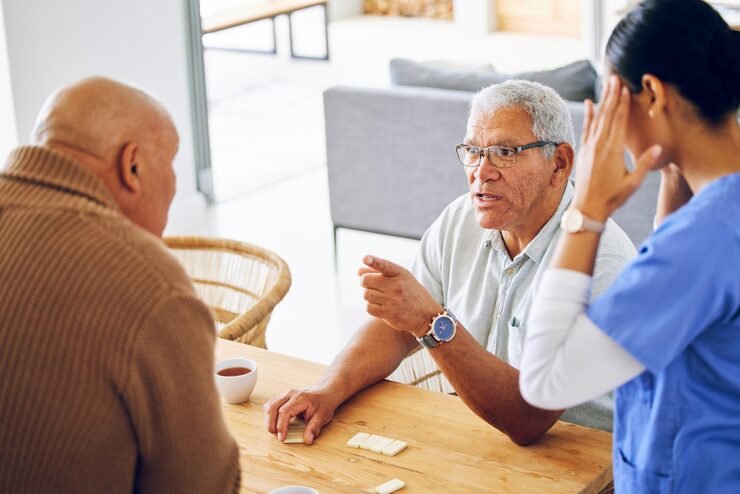
Memory care is about more than just safety and daily support—it’s about fostering a fulfilling, joyful life for seniors living with cognitive challenges. Structured programs, purposeful activities, and social engagement are central to creating happiness and maintaining cognitive function. Thoughtfully designed programs help combine care with meaningful experiences that uplift residents and provide peace of mind for families.
The Role of Activities in Memory Care
Seniors living with memory challenges often face frustration, confusion, and social isolation. Engaging activities help redirect focus, provide stimulation, and create moments of enjoyment. Activities are thoughtfully designed to match cognitive abilities, personal preferences, and past interests, ensuring that residents can participate successfully and confidently.
Examples include art therapy, music sessions, gardening, light exercise, and storytelling. Each activity serves a dual purpose of cognitive stimulation and emotional well-being. Residents often respond positively to familiar routines or hobbies, evoking memories and providing comfort.
Physical Activity for Health and Happiness
Exercise is a crucial component of memory care. Walking programs, chair exercises, and balance-focused activities promote physical health and support cognitive function. Regular movement reduces fall risk, improves circulation, and enhances mood.
Even gentle exercises tailored to memory care residents create opportunities for social interaction. Group activities encourage teamwork, laughter, and shared accomplishment, contributing to happiness and mental resilience.
Cognitive Stimulation to Maintain Mental Agility
Memory care programs often include games, puzzles, and memory exercises designed to stimulate cognitive function. These activities challenge the brain in a gentle and enjoyable way, helping to slow cognitive decline and maintain engagement.
Trivia sessions, memory-matching games, and group discussions about current events or personal memories encourage conversation and active thinking. Residents gain a sense of achievement and pride when they successfully participate, reinforcing self-esteem and confidence.
Music, Art, and Creative Expression
Creative expression is especially impactful in memory care. Music therapy, painting, and other arts provide emotional outlets and evoke positive memories. Music has been shown to reduce agitation, spark joyful memories, and even improve verbal communication in residents with dementia.
Art activities, from coloring exercises to painting projects, allow seniors to express themselves in a non-verbal, stress-free environment. These experiences are therapeutic and create a sense of accomplishment and joy, enhancing overall happiness.
Social Engagement and Connection
Isolation can significantly impact emotional well-being in seniors with cognitive challenges. Memory care emphasizes structured social opportunities, from group meals to small discussion circles. These activities encourage friendships, reduce loneliness, and provide residents with a sense of belonging.
Social engagement also stimulates conversation and memory recall, helping residents stay mentally active. Positive interactions and shared experiences foster happiness, emotional balance, and even improved sleep patterns.
Tailored Programs for Individual Needs
No two residents are alike. Memory care programs are customized based on individual cognitive abilities, physical health, and personal interests. Staff work closely with families to create meaningful activity plans that reflect the resident’s history, preferences, and abilities.
This tailored approach ensures that each resident can participate fully, feel successful, and experience genuine joy. Personalized activities increase engagement, reduce frustration, and promote a sense of purpose.
Emotional Support Through Structured Activities
Memory care provides emotional support by reducing stress and anxiety. Engaging activities distract from confusion, minimize agitation, and create a sense of routine. Residents feel valued and included, which profoundly affects overall happiness.
Staff trained in dementia care encourage participation, provide reassurance, and celebrate achievements, no matter how small. These positive interactions contribute to emotional well-being and a higher quality of life.
Family Peace of Mind
For families, seeing a loved one actively engaged and enjoying life is reassuring. Memory care activities ensure that seniors are not only safe but also experiencing meaningful, joyful moments. Families know their loved ones are stimulated mentally, physically, and socially—reducing stress and providing confidence in the care environment.
Creating a Lifestyle of Happiness
Ultimately, memory care cultivates happiness through engagement, purpose, and connection. Structured activities, social opportunities, physical movement, and creative expression work together to support cognitive health and emotional well-being.
At the heart of this approach, Rosewood at Fort Oglethorpe ensures every program, activity, and support service is designed to create a safe, engaging, and fulfilling memory care experience for residents.

 English