


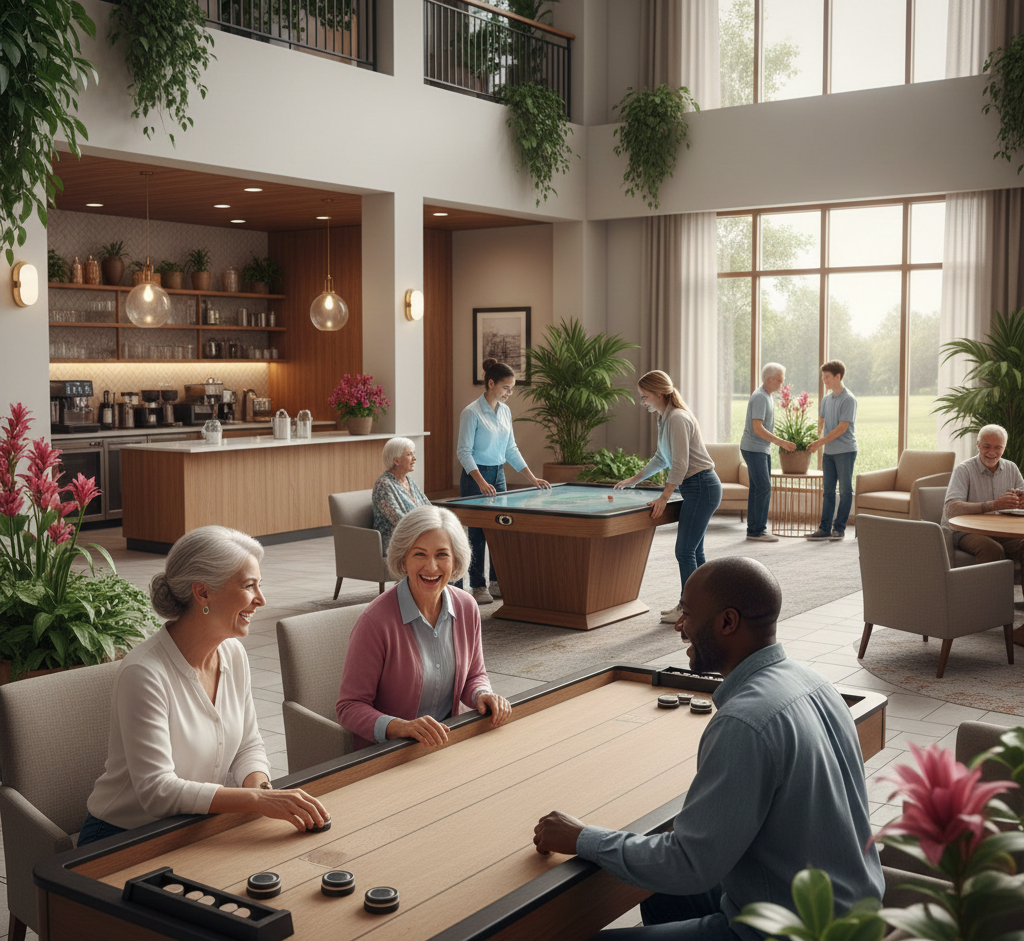
Transitioning to senior living can feel daunting, but for many older adults, it opens a new chapter filled with freedom, connection, and well-being. Senior living communities are designed to offer safety, comfort, and a vibrant lifestyle while supporting independence and personal choice. This balance allows residents to enjoy retirement with purpose and joy, rather than facing isolation, fatigue, or overwhelming household responsibilities.
Embracing Change With Confidence
A move to senior living is often one of life's most significant transitions. Yet, when approached with planning and understanding, it can become a positive experience. Communities are structured to provide both familiarity and novelty—residents enjoy private living spaces while having access to shared areas, group activities, and social events.
This environment encourages seniors to embrace change without losing their autonomy. By offering support where needed and independence where desired, senior living ensures that moving is not an ending, but a beginning filled with possibilities.
Reducing the Burden of Daily Tasks
One of the most immediate benefits of senior living is relief from routine chores. Tasks like meal preparation, cleaning, laundry, and home maintenance can be physically demanding, especially for those managing chronic conditions or limited mobility.
Assisted services handle these responsibilities, allowing residents to redirect their energy toward hobbies, social engagement, and personal wellness. Free from the stress of household management, seniors can focus on living fully and prioritizing what brings them joy.
Access to Social Connections
Social engagement is a cornerstone of senior living. Communities foster interaction through group meals, clubs, events, and recreational programs. Regular social contact reduces loneliness, supports mental health, and strengthens emotional resilience.
New friendships flourish in these settings, often creating supportive networks that provide companionship and shared experiences. The sense of belonging helps residents feel valued and connected, significantly enhancing overall quality of life.
Opportunities for Lifelong Learning
Senior living communities often offer educational and enrichment programs tailored to residents' interests. From art and music classes to guest lectures and book clubs, there are opportunities for mental stimulation and personal growth.
Engaging in these activities challenges the mind, encourages curiosity, and fosters a sense of accomplishment. Seniors can rediscover old passions or explore new ones, creating a dynamic lifestyle that prioritizes learning and growth.
Health and Wellness Programs
Maintaining physical health is essential for long-term well-being. Communities typically offer fitness classes, walking clubs, and personalized exercise programs that address strength, balance, and flexibility.
Regular activity helps prevent falls, improves cardiovascular health, and supports mobility. Wellness initiatives, including nutrition programs, hydration reminders, and health monitoring, ensure that residents have access to holistic care designed to promote both physical and mental health.
Structured Support Without Losing Autonomy
Senior living provides help with daily activities while respecting personal choice. Residents decide how much assistance they require, from minimal support to more comprehensive care.
This tailored approach ensures that help enhances rather than diminishes independence. Seniors maintain control over daily routines, participate in decision-making, and feel empowered in their living environment.
Emotional and Mental Health Benefits
Transitioning to a new home can be emotionally challenging, but senior living communities offer resources to support mental health. Counseling services, peer support groups, mindfulness programs, and social activities help residents navigate feelings of anxiety or uncertainty.
Engaging with others, participating in structured routines, and having a sense of purpose all contribute to improved mood, reduced stress, and increased life satisfaction.
Safety and Peace of Mind
Safety is a major concern for older adults and their families. Senior living environments are designed with features that reduce risk, such as secure access, emergency response systems, and staff available for support.
Knowing that professional care is accessible at any time allows residents to feel secure while preserving independence. Families also gain reassurance that their loved ones are in a monitored, safe setting.
Encouraging Active Lifestyles
Senior living promotes activity beyond structured exercise. Residents have access to recreational programs, hobby workshops, and social outings that encourage movement, engagement, and creativity.
From gardening clubs to art classes or walking groups, these activities enrich daily life and reinforce a sense of purpose. Active lifestyles support both physical and emotional health, fostering confidence and vitality in retirement.
Building Lasting Relationships
One of the most meaningful benefits of senior living is the opportunity to form new friendships and strengthen existing family bonds. Social activities, communal spaces, and shared meals create an environment where connections flourish naturally.
Family visits become more enjoyable when residents are engaged and fulfilled. Instead of focusing on daily care needs, visits can center on quality time, conversation, and shared experiences.
Financial and Practical Considerations
Senior living communities simplify budgeting for care, housing, and services. Many offer all-inclusive packages covering meals, utilities, housekeeping, and wellness programs.
This transparency reduces financial stress and makes it easier for seniors and families to plan for the future. It also prevents unexpected costs that can arise from home repairs, emergency care, or hiring multiple service providers.
A Sense of Community and Purpose
Living among peers with shared experiences fosters belonging and purpose. Seniors often participate in volunteer opportunities, mentoring, or leadership roles within the community, reinforcing a sense of contribution and value.
This purpose-driven environment encourages residents to remain engaged, active, and fulfilled, transforming retirement into a chapter of continued growth and connection.
Preparing for Future Needs
Senior living also provides a proactive approach to aging. Staff monitor health changes, assist with mobility, and coordinate care as needs evolve. This early intervention ensures that residents remain independent longer and receive appropriate support before challenges become overwhelming.
Families benefit from this foresight, knowing their loved ones are receiving professional attention and care that anticipates future needs.
Enhancing Quality of Life Every Day
Ultimately, senior living empowers residents to live fully and enjoy retirement on their terms. By combining safety, wellness, social engagement, and personal freedom, communities provide an environment where seniors can thrive.
At Regency Birmingham , moving to senior living is a positive, enriching experience. Residents enjoy meaningful connections, purposeful activities, and the support needed to embrace a new chapter of life with confidence and joy.

 English