


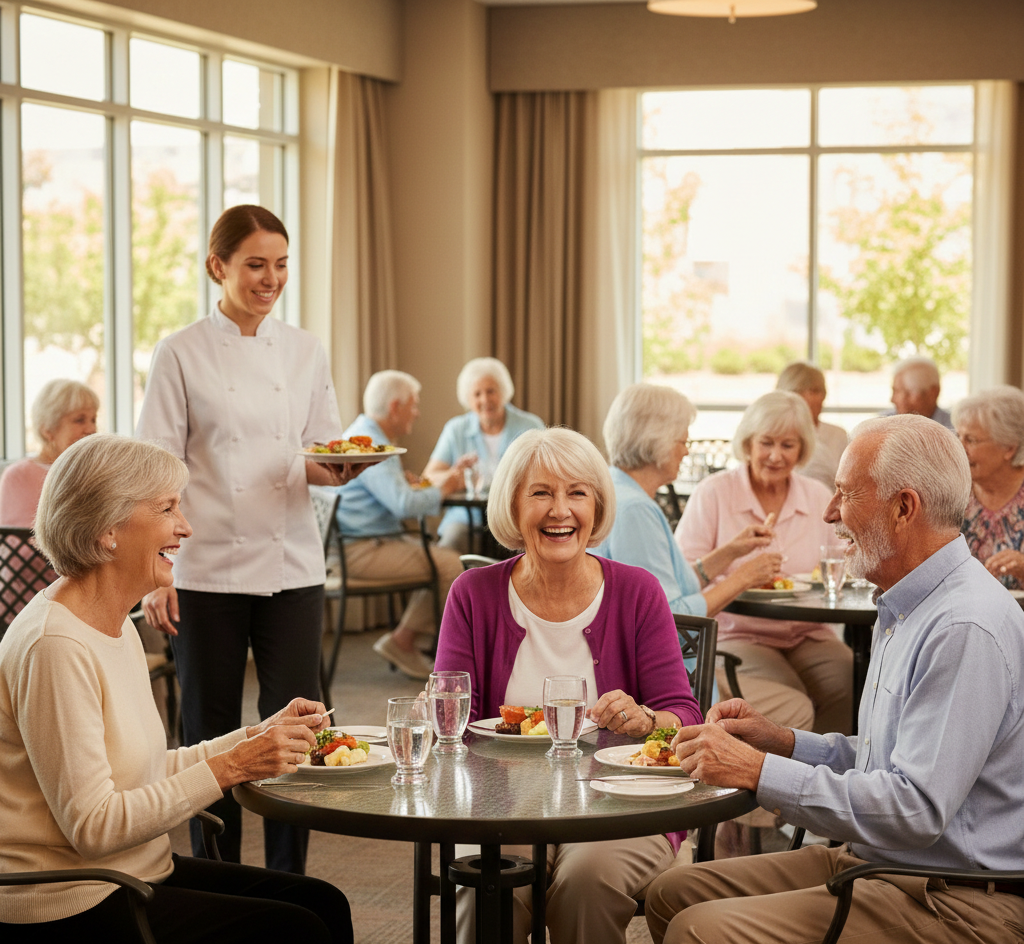
Retirement is meant to be a season of enjoyment, yet many seniors discover that loneliness, routine, or health concerns slowly drain the excitement from daily life. Independent living is designed to restore that missing spark by surrounding older adults with opportunity, companionship, and freedom from everyday pressures. Instead of shrinking worlds, retirement can expand again into the vibrant, fulfilling experience it was always meant to be.
Why Joy Often Fades After Retirement
After leaving careers and busy family schedules, days can begin to feel empty. Common challenges include friends moving away, difficulty driving at night, cooking for one, worries about safety, and too much time spent alone. These changes are natural, but they can quietly reduce happiness and confidence in ways that creep up gradually.
The structure that work provided—schedules, purpose, social interaction—disappears overnight. Suddenly, every day is Saturday, which sounds wonderful initially but often becomes isolating. The colleagues who provided daily conversation are gone. The sense of being needed and productive evaporates. Identity shifts uncomfortably from professional to simply "retired."
Physical limitations compound the problem. Seniors who once drove confidently everywhere now hesitate, especially at night or in bad weather. This restricts social opportunities, medical appointments, shopping, and entertainment. The world literally shrinks as mobility decreases.
Cooking elaborate meals for one person feels pointless. Nutrition suffers when eating becomes a solitary chore rather than a social pleasure. The dinner table that once hosted family and friends now emphasizes loneliness. Many seniors skip meals entirely or survive on easy but unhealthy options.
Safety concerns create another barrier to joy. Fear of falling keeps seniors from walking. Worry about home invasions leads to isolation. Anxiety about medical emergencies when alone prevents restful sleep. These fears, whether entirely rational or not, significantly impact quality of life and happiness.
Community That Feels Like Belonging
Living among peers in an independent living community transforms ordinary days. Casual conversations over breakfast, shared laughter in hallways, and familiar faces at activities rebuild the sense of belonging many seniors miss. Friendships form easily when social opportunities are only steps away.
The power of proximity cannot be overstated. When potential friends live down the hall rather than across town, spontaneous connections happen naturally. Coffee with neighbors becomes a morning ritual. Afternoon card games emerge without extensive planning. Evening walks find companions without phone calls and scheduling.
Everyday moments that create happiness in independent living include group meals without the work of cooking, fitness classes suited to all abilities, game nights and hobby groups, and celebrations and outings. Life becomes social without effort or the exhaustion that planning social activities once required.
Shared experiences create bonds quickly. Residents who attend the same exercise class develop camaraderie. Book club members form genuine friendships through discussing literature. Crafting circles create while conversing. These regular gatherings provide both structure and connection.
Rediscovering Purpose and Routine
Structured options give gentle shape to each day in independent living communities. Instead of wondering how to fill time, residents can choose from a menu of possibilities. Having plans to look forward to—whether a book club or a morning walk—restores motivation and self-esteem that often diminishes in unstructured retirement.
Purpose emerges from contribution. Many independent living communities offer opportunities to mentor, lead clubs, organize events, or volunteer. Former teachers lead discussion groups. Retired accountants help neighbors with taxes. Master gardeners cultivate community plots. These roles restore the feeling of being valued and needed.
The balance between structure and freedom is carefully maintained. Scheduled activities provide framework, but participation remains entirely voluntary. Residents choose their level of engagement—some prefer packed calendars while others select just a few favorite programs. Both approaches are supported and respected.
Routine, often undervalued, significantly impacts wellbeing. Knowing that Tuesday brings the gardening club, Thursday offers movie night, and Saturday features live music creates pleasant anticipation. These anchors prevent the aimless drift that characterizes lonely retirement.
Healthier Body, Happier Mind
Wellbeing and joy are closely connected in independent living. Regular meals, light exercise, and easy access to support help seniors feel better physically. When the body feels steadier, mood follows. Many residents report better sleep, improved appetite, more energy, and reduced anxiety. Small improvements combine into a brighter outlook.
Nutrition improves dramatically when meals are prepared by professional chefs and enjoyed in social settings. The variety, quality, and consistency of food in independent living communities surpass what most seniors manage cooking alone. Proper nutrition provides energy, supports immune function, and directly impacts mood and cognitive function.
Exercise becomes accessible and enjoyable. Fitness classes designed for senior abilities make movement safe and social. Walking paths encourage gentle cardiovascular activity. Strength training maintains muscle mass essential for independence. Swimming pools offer low-impact options. Most importantly, having companions makes exercise fun rather than a chore to avoid.
The psychological benefits of feeling physically capable cannot be overstated. When seniors regain strength, balance, and stamina through regular activity and good nutrition, confidence soars. The fear that limited so many activities diminishes. Life expands as physical capability improves.
Independence Without Isolation
True independence is not doing everything alone—it is having help nearby when needed. Transportation, housekeeping, and on-site assistance remove barriers that once kept seniors at home. Freedom grows rather than shrinks in independent living communities.
This redefinition of independence liberates many seniors. Instead of struggling alone to prove capability, they accept appropriate support while maintaining autonomy over meaningful decisions. Help with heavy cleaning doesn't diminish independence—it preserves energy for chosen activities.
Transportation services restore freedom lost when driving became difficult. Scheduled trips to shopping, medical appointments, cultural events, and restaurants mean mobility limitations no longer equal isolation. Residents go where they want, when they want, safely and conveniently.
Relief From Daily Pressures
Without grocery shopping, heavy cleaning, or home repairs, mental space opens up. Seniors can spend time on what they enjoy instead of what they must manage. This shift often brings immediate emotional lightness that families notice during the first visit after their loved one moves to independent living.
The to-do lists that once dominated thinking disappear. No more remembering to schedule furnace maintenance, arrange snow removal, or coordinate repairs. Mental energy previously consumed by household management becomes available for relationships, hobbies, and simple enjoyment of each day.
Families Notice the Difference
Loved ones frequently see changes first: more stories to share, renewed interest in appearance, laughter returning to phone calls. Relationships improve when visits focus on connection instead of concern. Adult children transition from worried caregivers back to loving sons and daughters.
Phone conversations shift from wellness checks and problem-solving to sharing experiences and planning visits. The quality of family time improves dramatically when underlying worry about safety and isolation lifts.
A Lifestyle Built Around Choice
Joy returns when life offers options. Residents decide how active or quiet they want each day to be. There is room for privacy, but never the feeling of being alone. What many seniors rediscover includes old hobbies they had set aside, confidence to try new interests, meaningful friendships, and a sense of being valued.
Growing Older Without Growing Smaller
Aging does not need to mean shrinking experiences. With the right environment, later years can feel vibrant and full. Independent living community life gently removes the obstacles that steal happiness and replaces them with opportunity, connection, and daily joy.
Rosewood Fort Oglethorpe provides independent living focused on connection, comfort, and everyday enjoyment—helping seniors welcome each day with renewed purpose and genuine joy.

 English