


Reliable power supply is the backbone of modern life. From homes and schools to hospitals, industries, and public services, electricity plays a vital role in daily activities. For electricity to reach consumers safely and without interruption, strong and efficient power transmission lines are needed. One of the most important components in these lines is AB Cables. These cables are specially designed to provide safe, stable, and long-lasting electrical connections, especially in overhead distribution systems.
In today’s fast-growing cities and expanding rural areas, the demand for dependable electricity networks is higher than ever. Power utilities and contractors look for solutions that can reduce power loss, prevent accidents, and withstand harsh weather. This is where AB Cables become highly valuable. They offer better insulation, improved safety, and greater reliability compared to traditional bare conductors. Because of these advantages, they are now widely used in both urban and rural power distribution projects.
This blog explains in simple and easy language how AB Cables work, why they are important, and how they support reliable power transmission lines. You will also learn about their structure, benefits, applications, installation methods, maintenance tips, and future potential.
What Are AB Cables?
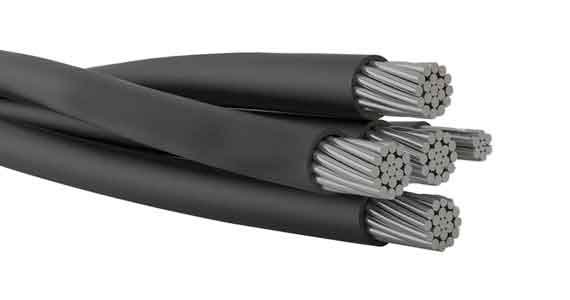
AB Cables, also known as Aerial Bunched Cables, are a type of overhead power cable system. In these cables, several insulated conductors are bundled together and twisted around a central support wire. Unlike traditional bare conductors that are separated and exposed, these cables are fully insulated, which makes them much safer.
The insulation protects the conductors from environmental damage and accidental contact. This design helps prevent electrical faults, short circuits, and power theft. Because of their compact structure, AB Cables can be installed easily in narrow streets, crowded areas, and locations with limited space.
In simple terms, AB Cables are modern power transmission cables that offer higher safety, better reliability, and improved efficiency.
Why Reliable Power Transmission Lines Are Important
Reliable power transmission lines ensure that electricity flows smoothly from power stations to homes and businesses. When transmission lines are weak or poorly designed, power outages, voltage drops, and safety hazards become common.
Here are some reasons why reliable transmission lines are essential:
-
Continuous Power Supply: Stable lines reduce power cuts and ensure uninterrupted electricity.
-
Safety: Well-designed lines reduce the risk of electric shocks, fires, and accidents.
-
Efficiency: Good transmission systems reduce energy loss during transfer.
-
Cost Savings: Fewer breakdowns mean lower maintenance and repair costs.
-
Customer Satisfaction: Reliable power improves the quality of life and supports economic growth.
AB Cables play a major role in achieving all these goals by providing a safer and more dependable alternative to traditional overhead conductors.
Structure and Design of AB Cables
Understanding the structure of AB Cables helps explain why they are so effective.
1. Insulated Conductors
Each conductor in the cable is covered with high-quality insulation material. This prevents direct contact with external objects, reducing the risk of short circuits and electrical accidents.
2. Central Support Messenger Wire
A strong support wire runs through the center of the cable bundle. This wire carries the mechanical load, helping the cable stay stable even in windy or stormy conditions.
3. Compact Bunched Design
All conductors are tightly twisted together. This compact structure saves space and allows installation in narrow areas where traditional lines cannot fit easily.
4. Weather-Resistant Materials
The outer layers are made from materials that resist heat, moisture, sunlight, and pollution. This makes the cables durable and suitable for different climates.
This smart design ensures that AB Cables remain strong, safe, and reliable over long periods.
Key Benefits of Using AB Cables
AB Cables offer many advantages that make them a preferred choice for power distribution systems.
1. Improved Safety
Because the conductors are insulated, the risk of accidental contact is very low. This helps protect workers, residents, and animals from electric shocks.
2. Reduced Power Theft
In many areas, illegal connections lead to power loss and safety hazards. The insulated and compact design of AB Cables makes it difficult to tap into the line, reducing theft.
3. Lower Maintenance
Traditional bare conductors require frequent inspection and repairs. AB Cables, on the other hand, need less maintenance due to their durable insulation and strong design.
4. High Reliability
These cables perform well in harsh weather, including heavy rain, strong winds, and extreme temperatures. This ensures consistent power supply throughout the year.
5. Space-Saving Installation
Their compact structure allows easy installation in congested urban areas and narrow rural paths.
6. Long Service Life
With high-quality materials and protective insulation, AB Cables last longer, providing better value over time.
How AB Cables Support Reliable Power Transmission
1. Preventing Electrical Faults
Electrical faults often occur when conductors come into contact with trees, buildings, or each other. The insulation of AB Cables prevents such contact, reducing the chance of short circuits and line failures.
2. Minimizing Power Loss
The bundled design helps maintain stable voltage levels and reduces energy loss during transmission. This improves overall system efficiency.
3. Enhancing Network Stability
AB Cables are less affected by environmental factors. Their strong mechanical support ensures they stay in position, even during storms or high winds, leading to fewer disruptions.
4. Improving Public Safety
Since the conductors are insulated, accidental touching does not result in serious injuries. This makes them ideal for densely populated areas.
5. Supporting Modern Infrastructure
As cities grow and electrical demand increases, power networks need to handle higher loads. AB Cables are designed to support modern power requirements effectively.
Applications of AB Cables
AB Cables are used in a wide range of applications, both in urban and rural settings.
1. Urban Power Distribution
In cities, space is limited and safety is a major concern. AB Cables are perfect for crowded streets, residential areas, and commercial zones.
2. Rural Electrification
In villages and remote areas, these cables provide a reliable way to deliver electricity safely and efficiently over long distances.
3. Industrial Zones
Factories and industrial units require stable power for machinery and production processes. AB Cables ensure consistent and safe power supply.
4. Street Lighting Systems
For streetlights, safety and durability are important. AB Cables help maintain reliable lighting networks with minimal maintenance.
5. Temporary Power Supply
At construction sites or public events, these cables provide safe and quick power connections.
Installation Process of AB Cables
Proper installation is key to achieving the full benefits of AB Cables. The process involves several steps:
1. Planning and Survey
Engineers survey the area to determine the best route for cable installation. Factors like terrain, buildings, and safety regulations are considered.
2. Pole and Support Setup
Strong poles and supporting structures are installed at appropriate distances to hold the cables securely.
3. Stringing the Cables
The cables are carefully pulled and fixed onto the poles using specialized equipment to ensure proper tension and alignment.
4. Securing and Insulating Connections
All joints and connections are securely insulated to maintain safety and prevent faults.
5. Testing and Inspection
Before energizing the line, thorough testing is done to check for any issues or weak points.
A proper installation ensures long-lasting performance and reliable power transmission.
Maintenance and Care of AB Cables
Although AB Cables require less maintenance than traditional lines, regular inspection is still important to ensure optimal performance.
1. Visual Inspections
Routine checks help identify physical damage, loose fittings, or signs of wear.
2. Cleaning
In dusty or polluted areas, cleaning the cables helps maintain insulation quality and performance.
3. Checking Tension and Alignment
Proper tension ensures the cables remain stable and do not sag excessively.
4. Prompt Repairs
Any detected issues should be repaired immediately to avoid major failures.
Regular maintenance extends the life of the cables and keeps the power network reliable.
Comparison with Traditional Bare Conductors
To understand the value of AB Cables, it is useful to compare them with traditional bare conductors.
| Feature | AB Cables | Traditional Bare Conductors |
|---|---|---|
| Safety | Very high due to insulation | Low due to exposed wires |
| Power Theft | Difficult | Easy |
| Maintenance | Low | High |
| Reliability | High | Moderate |
| Installation Space | Compact | Requires more space |
| Durability | Long-lasting | Shorter lifespan |
This comparison clearly shows why AB Cables are a better option for modern power distribution systems.
Environmental and Social Benefits
AB Cables also provide several environmental and social advantages.
1. Reduced Tree Cutting
Since these cables can be installed in compact spaces, there is less need to cut trees for clearance.
2. Improved Community Safety
The insulated design reduces the risk of accidents, creating a safer environment for residents.
3. Energy Efficiency
Lower power loss means less energy waste, contributing to sustainable energy use.
4. Support for Development
Reliable electricity helps improve education, healthcare, and business growth in communities.
Challenges and Solutions
While AB Cables offer many benefits, some challenges can arise during their use.
1. Higher Initial Cost
The initial investment may be higher than traditional lines. However, long-term savings from reduced maintenance and lower power loss make them cost-effective.
2. Skilled Installation Required
Proper installation requires trained professionals. Investing in skilled labor ensures reliable performance.
3. Availability of Quality Materials
Using high-quality cables is important. Working with trusted suppliers ensures durability and safety.
With proper planning and execution, these challenges can be easily managed.
Future of AB Cables in Power Transmission
As electricity demand continues to grow, the role of AB Cables will become even more important. Smart cities, renewable energy integration, and rural electrification projects all require reliable and safe power distribution systems.
Advancements in materials and manufacturing techniques will further improve the performance and lifespan of these cables. In the future, AB Cables will play a key role in building resilient and sustainable power networks that support economic and social development.
Conclusion
Reliable power transmission is essential for modern life, and AB Cables have proven to be a highly effective solution for achieving this goal. Their insulated design, compact structure, high safety standards, and long service life make them ideal for both urban and rural power distribution. By reducing faults, preventing power theft, and ensuring stable electricity supply, these cables contribute to stronger and more dependable electrical networks.
For those seeking high-quality and durable cable solutions, Prabha Power offers dependable options designed to meet modern power distribution needs. Choosing the right cable system today helps build a safer, more efficient, and reliable energy future for tomorrow.

 English