


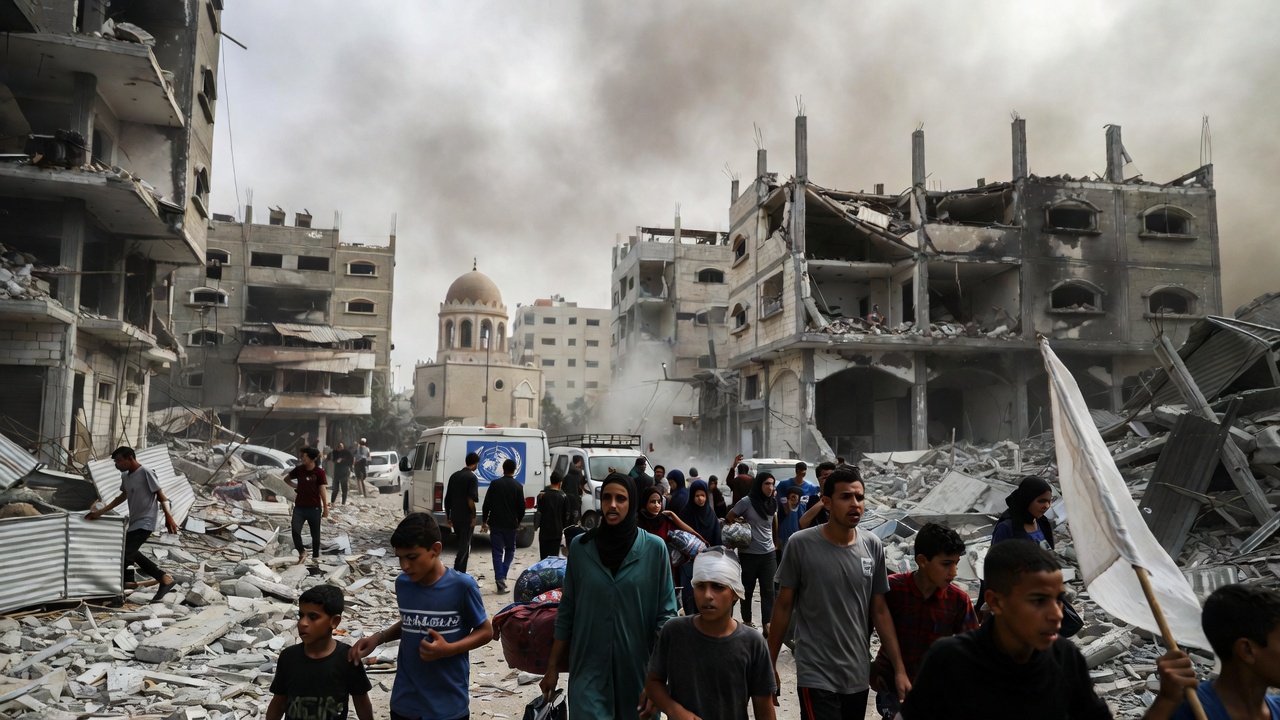
The Gaza Emergency Appeal UK represents one of the most significant humanitarian fundraising efforts seen in Britain in recent years. As the conflict in Gaza has escalated, millions of civilians have been left without access to food, clean water, medical care, and shelter. In response, a wide range of British charities, faith organisations, and humanitarian bodies have launched urgent appeals to raise funds and awareness among the UK public.
These appeals are not simply donation drives — they represent a coordinated effort to deliver life-saving aid to one of the most densely populated and heavily affected regions in the world. Understanding what the Gaza Emergency Appeal involves, who is running it, and how funds are used is essential for anyone who wants to contribute meaningfully and responsibly.
Which UK Charities Are Leading the Gaza Emergency Appeal
Several well-established and regulated charities operating in the United Kingdom have mobilised resources specifically in response to the Gaza crisis. Organisations such as seven spikes relief, Islamic Relief UK, Oxfam GB, Save the Children UK, Medical Aid for Palestinians (MAP), and the British Red Cross have all launched dedicated Gaza emergency appeals. Each of these organisations has a different operational model, but all share the common goal of delivering emergency assistance to civilians caught in the conflict.
Islamic Relief UK, for instance, has deployed field teams and local partners to provide food parcels, clean water, and hygiene kits to displaced families. Medical Aid for Palestinians has focused specifically on supporting healthcare workers and hospitals that are critically overwhelmed.
Save the Children UK has prioritised child protection services and emergency nutrition support for the youngest and most vulnerable victims of the crisis. Donors in the UK can choose to give through any of these channels, knowing that contributions are regulated by the Charity Commission for England and Wales, which provides an important layer of financial accountability.
How Donations Are Used in Gaza Emergency Relief Efforts
One of the most common questions asked by potential donors is how their money is actually spent once it reaches Gaza. In a conflict zone with severe access restrictions, getting aid from point A to point B is not straightforward. UK charities operating in the region typically work through trusted local partners and UN agencies such as UNRWA and UNICEF to distribute supplies.
Emergency food packages are among the most urgently needed items, as markets and supply chains within Gaza have been severely disrupted. Medical supplies including anaesthetics, wound care materials, and essential medicines are also a top priority, given the strain placed on the territory's healthcare infrastructure.
Funds also go towards temporary shelter and non-food items such as blankets, sanitation materials, and fuel for generators keeping hospitals running. When you donate to a registered UK Gaza appeal, a portion of every pound is directed towards these operational realities, with charities required to publish annual reports and financial statements demonstrating how funds were allocated.
The Role of UK Government Matching and Official Aid
Beyond individual donations, the UK government has at various points announced matching schemes and direct aid contributions to the Gaza crisis. Under government match-funding programmes, every pound donated by the British public is matched by FCDO (Foreign Commonwealth and Development Office) funds, effectively doubling the impact of charitable giving. This kind of initiative significantly amplifies the reach of emergency appeals and incentivises public donations.
The UK government has also channelled aid directly through international bodies, though the effectiveness and volume of official aid has remained a subject of ongoing political debate. Understanding this distinction between private charitable giving and official development assistance helps donors see the full picture of how the United Kingdom is responding at both the civic and governmental level.
How to Donate Safely to a Gaza Emergency Appeal in the UK
Given the scale of public concern, there has unfortunately also been a rise in fraudulent fundraising attempts that exploit the humanitarian crisis in Gaza. The safest way to donate is through charities registered with the Charity Commission for England and Wales, all of which can be verified through the official Charity Commission register at charitycommission.gov.uk. Donors should also look for the Fundraising Regulator badge on charity websites, which signals that the organisation adheres to the UK Code of Fundraising Practice.
Before donating, it is worth checking that the organisation has a transparent breakdown of how emergency funds are used and has a documented presence in the region. Giving through established platforms like JustGiving or directly via a charity's official website reduces the risk of falling victim to scams. If you are donating in response to a social media appeal, verify that it links directly to a registered charity page rather than an unverified personal account.
Community Fundraising and Advocacy Efforts Across the UK
The Gaza Emergency Appeal has not been limited to institutional charity campaigns. Across Britain, local mosques, churches, community centres, schools, and civic groups have organised their own fundraising events including charity dinners, sponsored walks, bake sales, and online crowdfunding campaigns in solidarity with Palestinians in Gaza. These grassroots efforts have generated remarkable sums and have played a vital role in keeping the crisis visible in public discourse.
Universities have also seen student-led initiatives raising thousands of pounds for registered charities. Beyond fundraising, advocacy organisations based in the UK have lobbied parliamentarians, participated in public demonstrations, and engaged with media to highlight the humanitarian dimensions of the conflict. This dual approach of financial support and political engagement reflects the depth of concern felt by communities across the country.
FAQs
Is my donation to a Gaza Emergency Appeal tax-deductible in the UK?
Yes, if you donate to a registered UK charity through Gift Aid, the charity can reclaim 25p for every £1 you donate from HMRC, at no extra cost to you. Higher-rate taxpayers can also claim additional relief through their self-assessment tax return.
How quickly does donated money reach Gaza?
Established charities with existing partnerships and field operations in or near Gaza can deploy emergency funds within days. However, access restrictions, border closures, and logistical challenges mean that delivery timelines can vary significantly depending on the situation on the ground.
Can I donate goods or supplies instead of money?
Most UK charities advise against sending physical goods because the logistical cost of transporting unsolicited items often exceeds their value. Cash donations are far more efficient as they allow organisations to procure supplies locally at reduced cost and respond to the most current needs.
Are UK charities operating in Gaza regulated?
Yes. All legitimate UK charities must be registered with the Charity Commission and are subject to strict financial reporting requirements. You can verify any charity's registration status and review their financial accounts through the official Charity Commission website.
What is the difference between UNRWA and UK charity appeals?
UNRWA is a United Nations agency specifically mandated to support Palestinian refugees, funded primarily by government contributions. UK charity appeals are independently raised from public donations and are often more flexible in how and where they deploy resources, sometimes filling gaps that larger UN systems cannot reach quickly.

 Turkish