


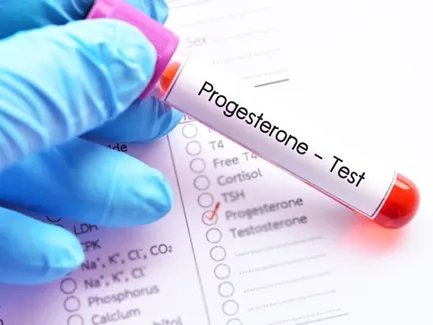
Understanding the 17-OH Progesterone Test and Its Role in Newborn Health
The 17-OH Progesterone test is a vital blood screening performed in newborns to detect serious hormonal disorders early in life. This hormone is produced by the adrenal glands and plays an important role in the body’s steroid hormone production process. In newborn screening programs, measuring 17-OH Progesterone levels helps identify conditions that may not show immediate symptoms but can become life-threatening if untreated.
Newborn screening is typically done within the first few days after birth using a simple heel-prick blood sample. The goal is early detection of hidden metabolic and hormonal disorders so that treatment can begin before complications arise. Among these conditions, congenital adrenal hyperplasia (CAH) is the most significant disorder associated with abnormal 17-OH Progesterone levels.
Early diagnosis ensures better outcomes, prevents severe health crises, and protects long-term growth and development.
What Is Congenital Adrenal Hyperplasia (CAH)?
Congenital Adrenal Hyperplasia (CAH) is a genetic disorder affecting the adrenal glands. It interferes with the body’s ability to produce essential hormones such as cortisol and, in some cases, aldosterone. When cortisol production is blocked, the body produces excess 17-OH Progesterone as it attempts to compensate.
According to the Centers for Disease Control and Prevention, CAH is one of the key conditions included in newborn screening panels in many countries. The most common type is 21-hydroxylase deficiency, which can lead to life-threatening salt-wasting crises in newborns if not diagnosed early.
Without timely treatment, affected infants may experience dehydration, electrolyte imbalance, shock, or even death. Early identification through the 17-OH Progesterone test can prevent these serious complications and allow immediate hormone replacement therapy.
Why the 17-OH Progesterone Test Is Essential in Newborn Screening
Newborns with CAH often appear healthy at birth, making early detection challenging without laboratory screening. Symptoms may not become noticeable until days or weeks later, when the baby suddenly becomes critically ill.
The 17-OH Progesterone test allows healthcare providers to identify hormonal abnormalities before symptoms develop. This proactive approach helps prevent:
- Severe dehydration
- Low blood pressure
- Abnormal sodium and potassium levels
- Failure to thrive
- Adrenal crisis
Because the consequences of delayed diagnosis can be severe, many national newborn screening programs include this test as a standard requirement. Early testing provides peace of mind to parents and ensures babies receive timely medical care.
How the Test Is Performed in Newborns
The screening process is simple, safe, and minimally invasive. Within 24 to 72 hours after birth, a small blood sample is collected from the baby’s heel. The blood is placed on a special filter paper card and sent to a laboratory for analysis.
If the 17-OH Progesterone level is elevated, additional confirmatory tests are performed. These may include repeat blood testing, electrolyte evaluation, and genetic testing. Elevated results do not always confirm CAH, as premature babies may have temporarily high levels. Therefore, follow-up testing is crucial for accurate diagnosis.
Parents should understand that newborn screening is preventive, not diagnostic. An abnormal result simply indicates the need for further evaluation.
Symptoms That May Appear Without Early Detection
When CAH is not diagnosed early, symptoms may develop rapidly and become dangerous. In severe salt-wasting forms, babies may experience vomiting, poor feeding, weight loss, lethargy, and dehydration within the first few weeks of life.
Female infants with certain forms of CAH may have ambiguous genitalia at birth, which can prompt earlier evaluation. However, male infants often show no visible signs initially, increasing the importance of biochemical screening.
If untreated, an adrenal crisis can occur, leading to shock and potentially fatal outcomes. Early screening through the 17-OH Progesterone test dramatically reduces this risk and improves survival rates.
Treatment After a Positive Diagnosis
If CAH is confirmed, treatment begins immediately. The primary therapy involves hormone replacement medications to compensate for cortisol deficiency. In salt-wasting forms, mineralocorticoid replacement and salt supplementation may also be required.
With proper medical management, children with CAH can live healthy, active lives. Regular follow-ups with pediatric endocrinologists are essential to monitor hormone levels and adjust medication doses as the child grows.
Early detection makes treatment straightforward and prevents emergency hospitalizations. Parents can also receive genetic counseling to understand recurrence risks in future pregnancies.
Long-Term Outlook and Importance of Monitoring
The long-term outlook for infants diagnosed early through newborn screening is generally excellent. Early therapy supports normal growth, puberty, and development. However, ongoing monitoring remains necessary throughout childhood and adulthood.
Untreated or poorly managed CAH can lead to growth problems, early puberty, fertility issues, and psychological stress. Therefore, routine follow-up testing, medication adherence, and parental education play a crucial role in maintaining health stability.
Newborn screening does more than prevent emergencies — it lays the foundation for lifelong health management.
Book Your 17-OH Progesterone Test from Chughtai Lab via InstaCare and Get 25% Discount
Early screening can save lives. If your healthcare provider recommends further hormonal evaluation for your newborn, timely testing is essential. You can book your 17-OH Progesterone test from chughtai lab via instacare and get 25% discount conveniently and securely.
Accurate laboratory testing ensures reliable results, helping doctors make prompt decisions about diagnosis and treatment. Early action protects your baby’s health and provides reassurance during a critical stage of development.
Conclusion
The 17-OH Progesterone test plays a crucial role in newborn screening programs worldwide. By detecting congenital adrenal hyperplasia early, it prevents life-threatening complications and supports healthy growth and development.
Although newborn screening may feel overwhelming for new parents, it is one of the most effective preventive healthcare measures available. Early detection allows timely treatment, reduces hospital emergencies, and ensures better long-term outcomes. Prioritizing this simple test can make a life-saving difference for your child.
Frequently Asked Questions (FAQs)
1. Is the 17-OH Progesterone test safe for newborns?
Yes, the test involves a small heel-prick blood sample and is considered very safe. It is routinely performed as part of newborn screening programs.
2. Does a high 17-OH Progesterone result always mean CAH?
Not necessarily. Premature infants or stressed newborns may have temporarily elevated levels. Confirmatory testing is required to establish a diagnosis.
3. Can congenital adrenal hyperplasia be cured?
CAH cannot be cured, but it can be effectively managed with lifelong hormone replacement therapy. Early diagnosis ensures better health outcomes and normal development.

 Turkish