


Today, modern life feels busier and more demanding than ever before. From early morning responsibilities to late-night digital distractions, people are constantly engaged in work, social obligations, and personal commitments. As a result, stress has become a common part of everyday life. Many individuals struggle with anxiety, lack of focus, poor sleep, and mental fatigue. In the search for a simple and effective way to restore balance, many turn to Transcendental Meditation (TM). This natural meditation technique was introduced in the 1950s by Maharishi Mahesh Yogi and has since gained worldwide recognition for its simplicity and scientifically studied benefits.
Transcendental Meditation is designed to allow the mind to settle into a state of deep rest while remaining alert. Unlike complex spiritual systems or physically demanding practices, TM is straightforward and effortless. It does not require intense concentration, control of breathing, or adopting uncomfortable body positions. Instead, it works naturally with the mind’s tendency to move toward greater calmness and clarity.
How is TM Meditation Practiced?
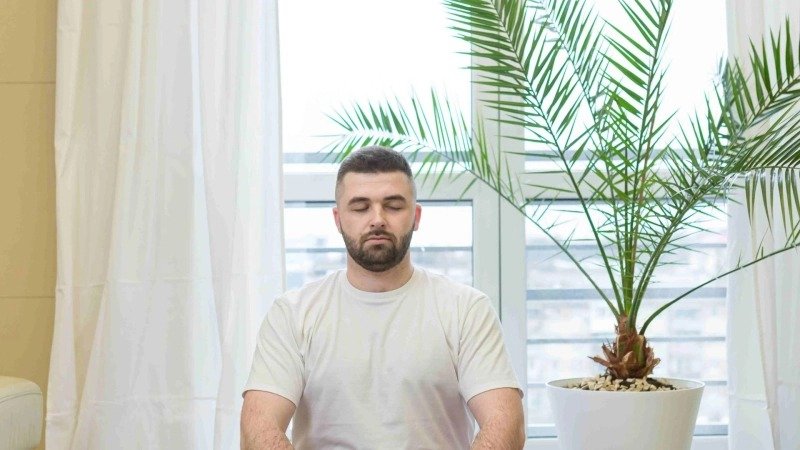
The practice of TM is very simple. A person sits comfortably in a chair with their eyes closed and silently uses a specific mantra provided by a certified TM teacher. The technique is practiced for about 20 minutes, twice a day—once in the morning and once in the evening. There is no need for special clothing, yoga mats, or quiet mountain retreats. TM can be practiced at home, in the office, or anywhere you can sit comfortably without disturbance.
One of the most appealing aspects of TM is that it requires no effort. You do not try to control your thoughts or force your mind to be still. Thoughts may come and go during meditation, and that is completely normal. The technique allows the mind to naturally settle into a quieter level of awareness without strain. Because of its simplicity, many people search for transcendental meditation classes near them to learn the correct method from trained instructors.
Benefits of Transcendental Meditation
Transcendental Meditation offers a wide range of mental, emotional, and physical benefits. One of its primary advantages is deep relaxation. Research suggests that TM allows the body to experience a state of rest deeper than ordinary sleep. This deep rest helps reduce accumulated stress and fatigue from the nervous system.
Regular practice of TM has been associated with reduced anxiety and improved emotional stability.
Many practitioners report feeling calmer and more balanced in daily life. Scientific studies have also shown that TM may help lower blood pressure, reduce stress-related health risks, and improve cardiovascular health.
Mentally, TM enhances clarity and concentration. When stress decreases, the mind functions more efficiently. This often leads to better decision-making, increased creativity, and improved productivity. Students may experience better academic performance, while professionals often notice improved work efficiency and focus.
Another important benefit is improved sleep quality. Many people struggle with insomnia or restless nights due to stress and overthinking. TM helps calm the mind, making it easier to fall asleep and wake up refreshed.
How is TM Different from Other Meditation Techniques?
There are many types of meditation available today, including mindfulness, breathing exercises, and concentration-based techniques. In many of these methods, individuals are asked to focus on their breath, observe their thoughts, or maintain strict awareness of the present moment. While these approaches can be beneficial, they often require mental effort and discipline.
Transcendental Meditation, on the other hand, does not involve concentration or control. There is no attempt to suppress thoughts or achieve a particular state of mind. The practice is effortless, allowing the mind to naturally move toward a peaceful state. This ease makes TM especially suitable for beginners and for those who feel they are “not good” at meditation.
Who Can Practice TM?
One of the greatest advantages of Transcendental Meditation is its accessibility. It can be practiced by people of all ages, including children, teenagers, adults, and seniors. There are no religious requirements or belief systems involved. TM does not require lifestyle changes, special diets, or physical fitness levels. It fits easily into any daily routine.
Whether someone is dealing with academic pressure, professional stress, family responsibilities, or simply seeking personal growth, TM offers a practical solution. Even individuals with busy schedules can commit to just 20 minutes twice a day and experience noticeable improvements in their overall well-being.
Conclusion
In a world filled with constant demands and mental overload, finding a simple and reliable method to reduce stress is essential. Transcendental Meditation provides an effortless and natural way to calm the mind and rejuvenate the body. With regular practice, individuals can experience reduced stress, improved health, better focus, and greater emotional balance. By dedicating a small amount of time each day, TM can help create a more peaceful, productive, and fulfilling life.

 English