


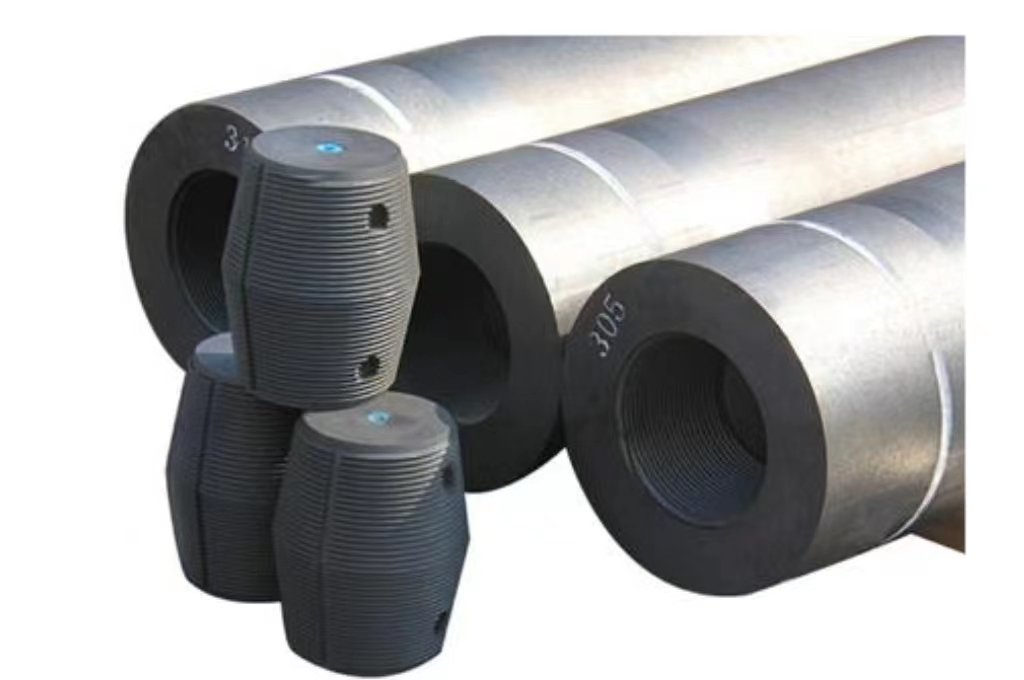
Graphite Density refers to the mass per unit volume of graphite material. It is one of the most important physical properties of graphite, directly affecting its strength, conductivity, durability, and overall performance in different industrial applications. Understanding graphite density is essential for manufacturers, engineers, and researchers who work with carbon-based materials.
What is Graphite Density?
Density is calculated by dividing mass by volume (Density = Mass ÷ Volume). In the case of graphite, density can vary depending on the type, purity, and manufacturing process.
Typically, natural graphite has a density of around 2.2 g/cm³, while synthetic graphite may have slightly different values depending on its structure and production method.
Factors Affecting Graphite Density
Several factors influence graphite density:
Purity Level – Higher purity graphite generally provides more consistent density values.Manufacturing Process – Compression, baking temperature, and graphitization affect final density.Porosity – Higher porosity lowers density and can reduce mechanical strengthType of Graphite – Natural graphite, synthetic graphite, and expanded graphite all have different density ranges.
Importance of Graphite Density
Graphite density plays a crucial role in determining performance characteristics:
-
Mechanical Strength – Higher density graphite is usually stronger and more durable.
-
Electrical Conductivity – Dense graphite improves conductivity in electrodes and batteries.
-
Thermal Conductivity – Better heat resistance and heat transfer properties.
-
Wear Resistance – High-density graphite performs better in friction-based applications.
Applications of Graphite Based on Density
Battery Industry
Graphite is widely used as an anode material in lithium-ion batteries. Proper graphite density ensures better energy storage capacity and longer battery life.
Electrodes
In electric arc furnaces and industrial processes, high-density graphite electrodes provide stability and high performance.
Aerospace and Automotive
Graphite components are used where lightweight yet strong materials are required.
Lubricants and Seals
Low-density graphite is often used in lubricants and sealing applications due to its softness and flexibility.
Measuring Graphite Density
Graphite density can be measured using methods such as:
-
Water displacement method
-
Pycnometer testing
-
Archimedes principle
Accurate measurement ensures the material meets industrial standards and performance requirements.
Conclusion
Graphite Density is a key factor that determines the quality and functionality of graphite materials. Whether used in batteries, electrodes, or industrial machinery, selecting the right graphite density ensures better performance, durability, and efficiency. As industries continue to advance, understanding and controlling graphite density remains essential for high-quality production and technological innovation.

 English