


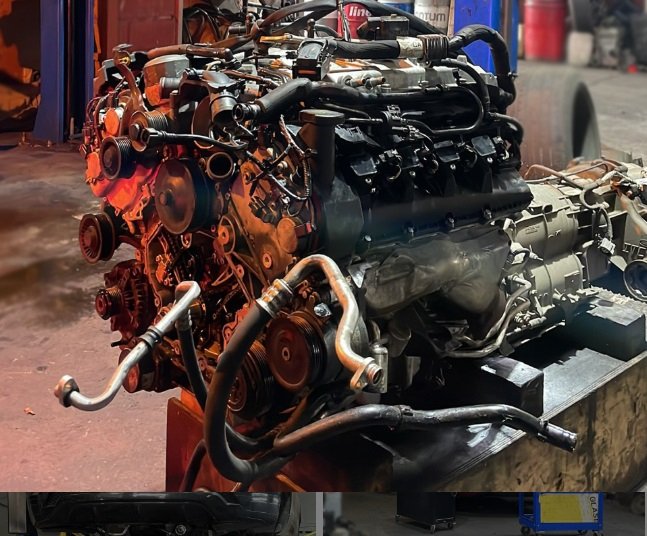
Understanding Early Nicasil Liners
The early generations of the Jaguar engine featured a specialized Nicasil cylinder lining rather than traditional steel sleeves to reduce friction. While innovative, this design reacted poorly with high-sulfur fuel common in the late nineties, leading to premature bore erosion and compression loss. Drivers often noticed rough idling or difficult cold starts as the lining began to disintegrate under chemical stress. Although modern fuels have largely mitigated this specific threat, many vintage enthusiasts still verify the engine block codes to ensure a steel-lined replacement was installed during past warranty campaigns to avoid catastrophic internal failure.
Plastic Timing Chain Tensioners
One of the most notorious vulnerabilities within a Jaguar engine involves the use of plastic-bodied timing chain tensioners in V8 models. Over thousands of heat cycles, these plastic components become brittle and eventually crack or shatter entirely without significant warning. When the tensioner fails, the timing chain loses its necessary rigidity, which can cause the valves to collide with the pistons instantly. Upgrading to metal-backed secondary tensioners is widely considered the most vital preventative measure for owners of older XJ and XK models who wish to preserve their vehicle's long-term mechanical integrity.
Ingenium Diesel Oil Dilution
Modern efficiency standards led to the creation of the 2.0-liter Ingenium series, but this Jaguar engine often struggles with diesel fuel seeping into the oil sump. This phenomenon occurs primarily during interrupted particulate filter regeneration cycles, where unburnt fuel bypasses the piston rings and thins out the lubricating oil. Diluted oil loses its ability to protect high-pressure components, significantly accelerating wear on the crankshaft bearings and turbocharger assemblies. Frequent oil analysis and shortened service intervals are the primary defenses against this silent killer that plagues many newer luxury SUVs and sedans.
Cooling System Plastic Fatigue
Maintaining the correct operating temperature is a challenge because a Jaguar engine relies heavily on plastic cooling components that degrade over time. The thermostat housings, crossover pipes, and expansion tanks are prone to hairline fractures that lead to gradual or sudden coolant loss. Because these engines operate at high pressures, a small leak can quickly escalate into a severe overheating event that warps cylinder heads or blows gaskets. Replacing these plastic parts with aftermarket aluminum versions or refreshing the entire cooling stack every few years prevents these expensive heat-related breakdowns effectively.
Water Pump Impeller Failure
The circulation of vital fluids through a Jaguar engine depends on a water pump that has historically utilized plastic impellers in several popular iterations. These blades can shear off or loosen from the drive shaft, resulting in a total cessation of coolant flow despite the belt still spinning the pump pulley. Owners typically report a rapidly rising temperature gauge or a distinct lack of cabin heat as the first signs of this mechanical malfunction. Modern replacement units often feature improved metal impellers, which offer much better durability against the high rotational speeds required during spirited performance driving.
Variable Camshaft Timing Solenoids
Precision performance in a Jaguar engine is achieved through Variable Camshaft Timing, yet the solenoids governing this system are sensitive to oil contamination. When sludge builds up due to extended drain intervals, these small electromagnetic valves can stick or respond sluggishly to the electronic control unit's commands. This mechanical lag results in noticeable power loss, decreased fuel economy, and persistent check engine lights related to timing correlation codes. Ensuring the use of high-quality synthetic oil and genuine filters remains the best way to keep these intricate hydraulic components functioning at their peak efficiency.
Supercharger Isolator Wear
For those lucky enough to drive a supercharged Jaguar engine, the snout isolator is a common wear item that produces a distressing rattling sound. The original spring-loaded isolator often wears a groove into the shaft, leading to mechanical play that sounds like marbles bouncing inside the front of the motor. While this specific issue rarely leads to immediate engine failure, the vibration can eventually damage the supercharger bearings if left unaddressed for too long. Many specialized technicians recommend installing a solid isolator coupling during routine maintenance to permanently eliminate this annoying and potentially damaging mechanical noise.
Crankshaft Position Sensor Faults
The electrical synchronization of a Jaguar engine depends heavily on the crankshaft position sensor, which can fail due to heat soak or oil ingress. When this sensor provides erratic data, the vehicle may experience sudden stalling, intermittent no-start conditions, or severe misfires under heavy load. Because the sensor is often located in a high-heat area near the transmission bellhousing, the wiring harness itself can also become brittle and lose its shielding over time. Replacing this relatively inexpensive part at the first sign of stumbling can prevent a frustrating breakdown on the side of the road.
Fuel Injector Carbon Buildup
Direct injection technology in a Jaguar engine provides excellent power but is inherently susceptible to carbon deposits forming on the injector tips. Over time, these deposits distort the spray pattern, leading to localized lean conditions that can cause piston crowns to overheat and eventually crack. Regular use of high-detergent fuels and occasional professional intake cleanings help mitigate this buildup before it impacts the smooth delivery of power. Ignoring the subtle hesitations caused by fouled injectors often leads to much larger repair bills involving the removal of the cylinder heads for manual cleaning.
Intake Manifold Gasket Leaks
Air management is critical, and a Jaguar engine can develop vacuum leaks when the intake manifold gaskets flatten or perish with age. These leaks allow unmetered air to enter the combustion chamber, confusing the oxygen sensors and causing the computer to over-compensate with excess fuel. Symptoms often include a wandering idle, a whistling noise from the engine bay, and "system lean" fault codes that trigger a limp-mode state. Replacing these seals is a labor-intensive but necessary task that restores the refined throttle response and smooth power delivery that defines the British driving experience.

 English