


Blueprint Construction Estimators in the US: Your 2026 Guide
Over 90% of large US construction projects exceed budgets by 20–30% due to poor estimating. Accurate planning is no longer optional—this is where blueprint construction estimators step in, turning architectural plans into precise cost, labor, and material breakdowns.
In this guide, we explore why US builders need blueprint construction estimators, their core responsibilities, essential skills and tools, hiring tips, and emerging industry trends. Whether you’re managing a $500K custom home or a $10M commercial build, understanding these experts is key to profitable bids.
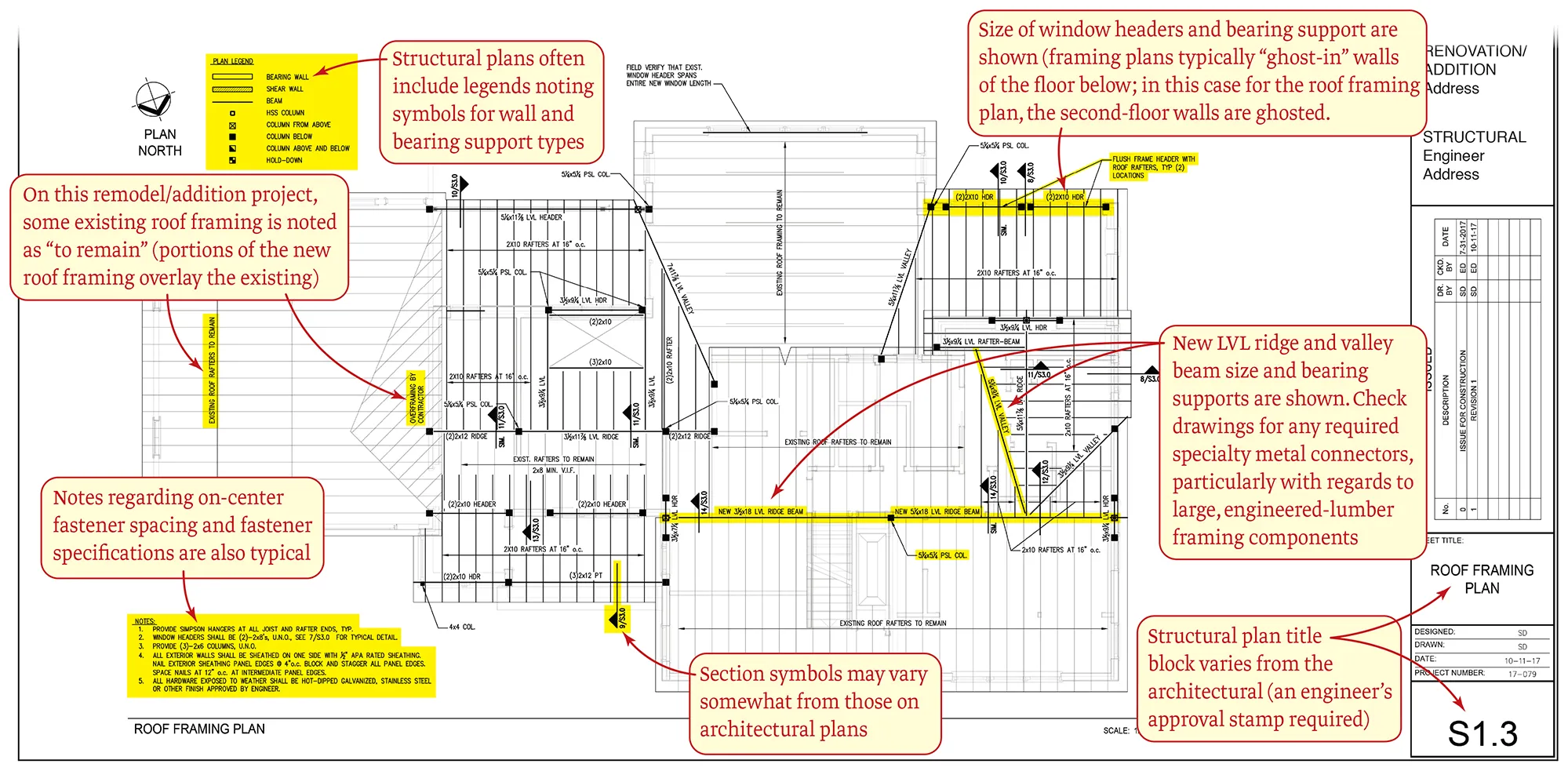
Table of Contents:
-
What Are Blueprint Construction Estimators?
-
Why US Construction Projects Need Blueprint Estimators
-
Essential Skills and Tools for Top US Blueprint Estimators
-
How to Hire Reliable Blueprint Construction Estimators in the US
-
The Future of Blueprint Construction Estimating in the US
-
Conclusion and Next Steps
What Are Blueprint Construction Estimators?
Blueprint construction estimators are professionals who analyze architectural, structural, and MEP (mechanical, electrical, plumbing) blueprints to generate accurate material, labor, and cost estimates. Using software tools like PlanSwift or Bluebeam, they transform complex drawings into actionable financial data.
Key Responsibilities:
-
Material Takeoffs & Quantity Surveying: Calculate materials for every section of the project.
-
Labor Hour Calculations: Apply US regional wage rates, including union vs. non-union differences.
-
Overhead, Profit Margins, & Contingency: Factor in risk, general conditions, and profit to ensure budgets remain realistic.
Why US Construction Projects Need Blueprint Estimators
Misreading a blueprint can result in 15–25% bid losses (Dodge Data & Analytics). Blueprint construction estimators address these pain points by:
Key Benefits:
-
Precision: Digital tools reduce errors by 30–50%, preventing costly overruns.
-
Speed: Estimations that once took weeks can now be completed in days.
-
Compliance: Align estimates with US building codes (IBC, NEC) and green building standards like LEED.
-
Regional Adaptability: Higher costs in California versus the Midwest; estimators adjust for local pricing fluctuations such as lumber in the Southeast.
Essential Skills and Tools for Top US Blueprint Estimators
Top estimators combine technical skills with modern software expertise.
Core Skills:
-
Blueprint Reading Proficiency: Scales, symbols, and revision recognition.
-
Knowledge of US Estimating Standards: RSMeans data, CSI MasterFormat compliance.
-
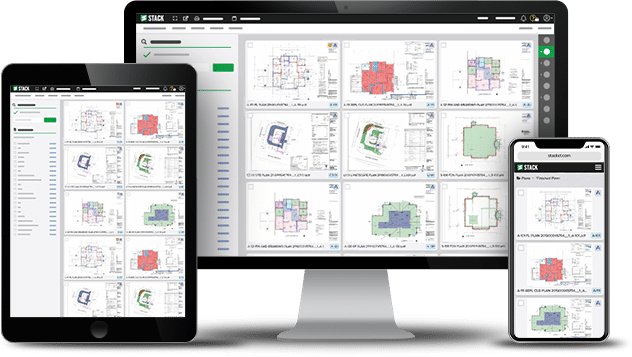
Software Expertise: StackCT, ProEst, Timberline, AI-driven tools like Togal.AI.
-
Certifications: AACE CCP, ASPE CPE, USCG PE enhance credibility.
Industry Trends:
-
BIM Integration: Linking Revit models to cost tools like CostX for automated estimating.
-
AI-Enhanced Estimating: Predictive modeling for material usage and bid success rates.
Top 5 Estimating Software for US Builders
| Software | Key Features | US Pricing (Annual) | Best For |
|---|---|---|---|
| PlanSwift | Digital takeoff, customizable assemblies | $1,599 | Residential |
| Bluebeam Revu | PDF markup, quantity linking | $349/user | Commercial |
| ProEst | Cloud-based, real-time pricing | Custom quote | Large firms |
| StackCT | AI automation, subcontractor bidding | $5,000+ | High-volume |
| Togal.AI | Predictive analytics, AI optimization | Subscription | Enterprise projects |
How to Hire Reliable Blueprint Construction Estimators in the US
A structured hiring approach ensures accuracy and efficiency:
Step-by-Step Process:
-
Define Needs: Residential vs. heavy civil projects.
-
Check Portfolios & Accuracy: Aim for <5% variance in previous bids.
-
Verify US Experience: Familiarity with prevailing wage laws, state codes, and regional pricing.
-
Freelance vs. Agency: Platforms like Upwork or local agencies in Texas/Florida.
Outsourcing Pros & Cons
| Pros | Cons |
|---|---|
| Cost savings (20–40% vs. in-house) | Data security risks |
| Scalable for peak bid seasons | Time zone coordination |
The Future of Blueprint Construction Estimating in the US
Emerging trends will continue to transform the industry:
-
AI/ML Predictive Estimating: Automates repetitive calculations and identifies cost-saving opportunities.
-
Drone Scans & 3D Models: Site-specific blueprints for improved accuracy.
-
Challenges: Supply chain volatility post-2025 tariffs and persistent labor shortages.
-
Predictions: Dodge forecasts 70% adoption of cloud estimating by 2030, making remote collaboration standard.
Conclusion
Blueprint construction estimators are indispensable for US construction projects, delivering accuracy, speed, and profitability. By leveraging their expertise and modern software, builders can reduce overruns, streamline bids, and maintain compliance across states.

 Turkish