


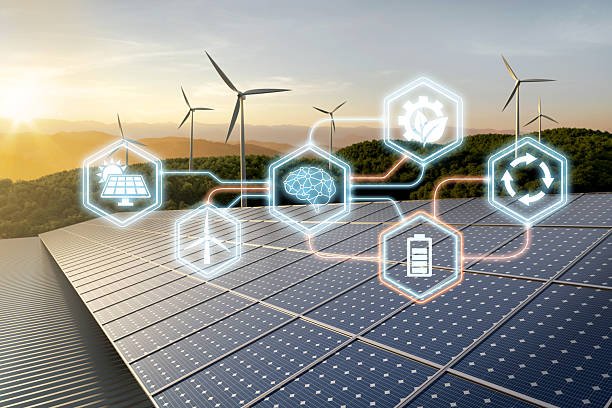
The global energy landscape is evolving rapidly as power systems transition toward decarbonization, digitalization, and decentralization. Traditional centralized grids are being replaced by next-generation power systems that integrate renewable energy, intelligent control, and advanced communication technologies. At the core of this transformation lie cyber-physical infrastructures, smart grids, and a strategic push toward sustainable energy transitions.
These interconnected developments are redefining how electricity is generated, transmitted, distributed, and consumed—creating new opportunities while introducing complex technical and operational challenges.
Understanding Next-Generation Power Systems
From Conventional Grids to Intelligent Networks
Conventional power systems were designed around large synchronous generators and predictable load patterns. In contrast, next-generation power systems operate as dynamic, data-rich, and distributed networks, incorporating renewable generation, energy storage, electric vehicles (EVs), and active consumers.
This paradigm shift demands:
-
Real-time monitoring and control
-
Advanced estimation and automation
-
Seamless integration of physical and digital layers
Drivers of Transformation
Key drivers behind next-generation power systems include:
-
Climate and sustainability goals
-
Rapid growth of renewable energy resources
-
Electrification of transportation and heating
-
Advances in sensing, communication, and artificial intelligence
Cyber-Physical Infrastructure in Modern Power Systems
Defining Cyber-Physical Power Systems
A cyber-physical power system tightly couples physical grid assets (generators, lines, transformers) with cyber components such as sensors, communication networks, data analytics, and control algorithms. This integration enables intelligent decision-making and automated response.
Role of Sensing and Communication Technologies
Phasor measurement units (PMUs), smart meters, and IoT devices provide high-resolution data that improves system observability. Reliable communication networks ensure fast data exchange, enabling:
-
Wide-area monitoring
-
Distributed control
-
Event detection and situational awareness
Cybersecurity and System Resilience
As digital dependency increases, so does exposure to cyber threats. Cyber-physical infrastructures must be designed with security, redundancy, and resilience in mind to withstand cyber-attacks, data manipulation, and communication failures.
Smart Grids as the Backbone of Energy Transition
Key Features of Smart Grids
Smart grids transform passive electricity networks into interactive and adaptive systems. Their defining features include:
-
Bidirectional power and information flow
-
Integration of distributed energy resources (DERs)
-
Automated fault detection and self-healing
-
Consumer participation and demand response
Integration of Renewable Energy
Smart grids enable high penetration of wind, solar, and other renewables by managing their variability and uncertainty. Advanced forecasting, energy management systems, and intelligent control ensure stable operation despite fluctuating generation.
Electric Vehicles and Flexible Loads
EVs act as both loads and potential energy resources. Smart charging and vehicle-to-grid (V2G) strategies allow EVs to support grid stability, peak shaving, and frequency regulation when properly coordinated.
Sustainable Energy Transitions and System-Level Benefits
Decarbonization and Efficiency
Next-generation power systems are essential for reducing greenhouse gas emissions. By maximizing renewable utilization and improving efficiency, smart grids support long-term sustainability goals.
Reliability and Power Quality
Advanced monitoring and adaptive control enhance reliability and power quality, reducing outages and improving service continuity for consumers and critical infrastructure.
Economic and Social Impact
Digital power systems lower operational costs, enable new energy markets, and empower consumers to actively manage energy usage—supporting inclusive and resilient energy economies.
Advanced Control, Estimation, and Monitoring Techniques
State Estimation and Situational Awareness
Accurate state estimation is vital for secure grid operation. Modern approaches combine physical models with data-driven techniques to improve robustness under uncertainty and incomplete measurements.
Intelligent Control Strategies
Adaptive, predictive, and distributed control strategies enable fast response to disturbances and optimal coordination of diverse resources across transmission and distribution networks.
Condition Monitoring and Asset Management
Advanced monitoring techniques detect equipment degradation and abnormal behavior early, supporting predictive maintenance and extending asset lifetimes.
Expert Perspective and Research Leadership
Dr. Haris M. Khalid (SMIEEE, FHEA) is an Associate Professor and leading researcher specializing in power grid stability, estimation, and condition monitoring. His expertise spans control systems, renewable energy, cyber-physical infrastructures, electric vehicles, and smart cities.
His research focuses on developing robust estimation methods, intelligent control frameworks, and resilient cyber-physical solutions for next-generation power systems. This work contributes significantly to advancing smart grid technologies that are secure, reliable, and sustainable.
Future Trends in Next-Generation Power Systems
Artificial Intelligence and Data-Driven Energy Systems
AI and machine learning will play a growing role in forecasting, optimization, fault diagnosis, and autonomous control—enhancing scalability and performance.
Interoperability and Standardization
Ensuring compatibility among diverse devices, platforms, and stakeholders is critical for large-scale deployment and long-term success.
Human-Centric and Ethical Design
Future power systems must prioritize transparency, explainability, and trust to ensure regulatory compliance and public acceptance of automated decision-making.
Conclusion
Next-generation power systems represent a fundamental shift in how energy is produced, managed, and consumed. By leveraging cyber-physical infrastructure, smart grid technologies, and intelligent control, these systems enable a resilient and sustainable energy future.
As renewable integration, electrification, and digitalization continue to accelerate, the importance of robust design, advanced estimation, and secure operation cannot be overstated. Continued research, innovation, and expert leadership will be essential in guiding power systems through this critical transition toward sustainability and resilience.

 English