


Fuel theft and unauthorized fuel usage are persistent challenges for fleet operators across industries. Whether it’s siphoning fuel from parked vehicles, fueling personal equipment on company time, or misreporting fuel usage, unauthorized fuel consumption can significantly erode operating budgets. Traditional fuel tracking methods such as manual logs, receipt reconciliation, and periodic audits are often insufficient to detect or prevent misuse. Smart tagging technologies, such as RFID (Radio-Frequency Identification), are changing this dynamic by bringing accuracy, real-time visibility, and automated accountability to fuel management. By ensuring that every fuel transaction is tied to a trusted identifier, smart tags empower fleet managers to stop unauthorized usage and strengthen operational control.
The Growing Problem of Unauthorized Fuel Usage
Unauthorized fuel usage not only increases operating costs but also undermines trust, masks inefficiencies, and complicates fleet reporting. Without reliable ways to verify who fueled, when they fueled, and how much fuel was dispensed, fleet administrators are forced to rely on estimates or subjective reports. This lack of precision often results in hidden fuel losses that are difficult to quantify or correct. Fuel theft can occur in plain sight or in subtle ways that evade traditional manual tracking methods. Smart tags provide the layer of protection needed to close these visibility gaps.
What Smart Tags Do in Fuel Management
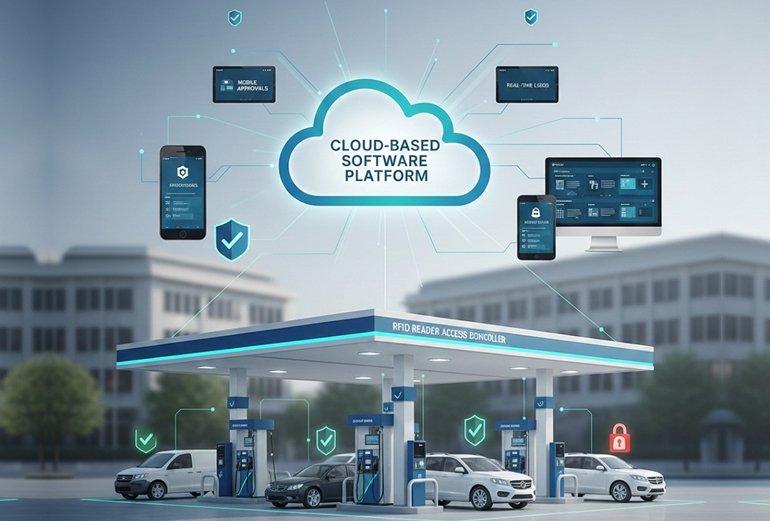
Smart tags are small, durable identifiers attached to vehicles, equipment, or authorized personnel. Each tag contains a unique code that is read electronically at the point of fueling. In RFID fuel management systems, fuel dispensers are equipped with RFID readers that scan the tag before fuel is released. This automated process records the identity of the asset or operator, the amount of fuel dispensed, the time and date of the transaction, and other important details. Because the identifier is tied to a database, the system knows instantly whether to allow, deny, or log the fueling event.
Eliminating Human Error and Manual Guesswork
Manual fuel tracking relies heavily on human input, making it susceptible to errors such as incorrect entries, missed logs, or falsified records. Smart tags eliminate the need for manual entry by capturing critical transaction details automatically and accurately. Every fuel event is recorded without relying on staff to remember to write down data or reconcile logs later. This precision greatly reduces discrepancies and gives fleet managers confidence that their fuel usage records are complete and accurate.
Preventing Unauthorized Access at the Source
One of the most direct ways smart tags reduce unauthorized fuel usage is by controlling access at the fueling point. Only vehicles or personnel with valid tags can activate fuel dispensers. Unauthorized users are automatically blocked, and attempts to fuel without proper identification are logged for review. This access control is much more effective than trust-based systems because it stops misuse at the source rather than detecting it after the fact.
Tracking Usage by Individual Drivers and Assets
Fuel misuse often goes undetected when usage is aggregated at the fleet level. Smart tags make it possible to break down fuel usage by individual driver, vehicle, or equipment unit. This granular visibility helps fleet managers identify patterns that might indicate abuse, inefficiency, or operational issues. For example, if one vehicle consistently shows significantly higher fuel consumption than its peers, smart tag data can trigger an investigation into causes such as driver behavior, mechanical issues, or unauthorized fueling.
Reducing Costs and Operational Waste
Unauthorized fuel usage directly impacts the bottom line. When fuel consumption goes unchecked, fleets spend more money on fuel purchases without corresponding increases in productivity or service. Smart tags help reduce waste by ensuring that only authorized transactions are recorded and billed. Over time, these reductions in fuel loss translate into measurable cost savings supporting tighter budgets and more efficient operations.
Supporting Compliance and Reporting Requirements
Many industries face compliance requirements related to fuel use, emissions, and operational transparency. Smart tag systems generate detailed logs of every fueling event that can be used for reporting, auditing, and regulatory documentation. Having reliable data at hand simplifies compliance workflows and reduces the administrative burden associated with manual record-keeping. Fuel usage reports backed by smart tag logs are more defensible, accurate, and transparent.
Enhancing Driver Accountability and Behavior
Smart tags also influence behavior by making fuel usage visible and traceable. When drivers know that each fuel transaction is linked to their specific identifier, they are more likely to adhere to company policies and practice responsible fueling behavior. This transparency encourages accountability and discourages practices such as fueling unauthorized equipment, rounding up fuel volumes, or fueling off-schedule. Over time, this behavioral change contributes to overall fuel efficiency and cost control.
Integration With Fleet Management Technologies
Smart tag fuel tracking becomes even more powerful when integrated with broader fleet management platforms. Linking RFID fuel data with telematics, maintenance systems, and operational dashboards provides a comprehensive view of vehicle performance, fuel usage, and asset health. Integrated systems make it easier to correlate fuel consumption with routing decisions, idle time, driver performance scores, and maintenance needs. This interconnected view supports smarter decision-making and operational optimization across the fleet.
Leveraging Insights for Continuous Improvement
The data captured by smart tags is not just for compliance or prevention — it also provides insights that can inform continuous improvement. Fleet managers can analyze fuel usage trends over time, identify outliers, and test strategies for reducing fuel consumption. Whether it’s adjusting routes, coaching drivers, or refining fuel policies, data from RFID fuel management systems becomes a foundation for ongoing performance enhancements.
Conclusion: Turning Fuel Visibility Into Operational Control
Smart tags offer a practical and powerful answer to the problem of unauthorized fuel usage. By automatically identifying vehicles and personnel at the point of fueling, these systems eliminate reliance on manual logs, reduce human error, and prevent unauthorized access to fuel resources. The result is improved accountability, reduced waste, stronger compliance, and meaningful cost savings. As fleets continue to seek ways to optimize performance and tighten budgets, RFID fuel management systems and smart tag technologies provide the visibility and control needed to protect every drop of fuel and ensure it is used exactly as intended.

 English