


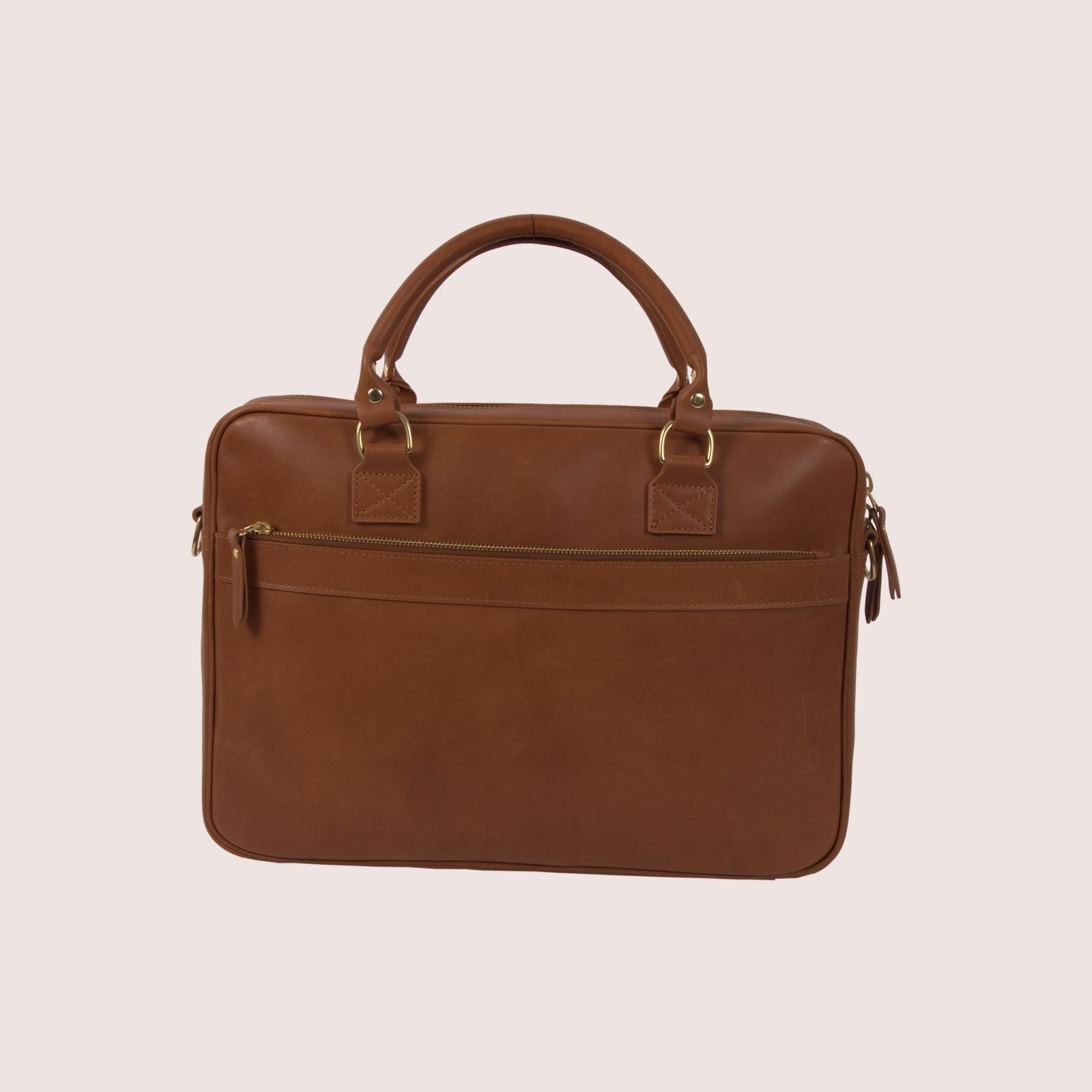
A briefcase usually looks great on day one. The leather feels smooth, the structure looks sharp, and everything about it gives that polished professional feeling people want. But a few months later, reality starts showing up. The strap weakens, the corners begin wearing out, or the zipper suddenly sticks during a busy morning rush.
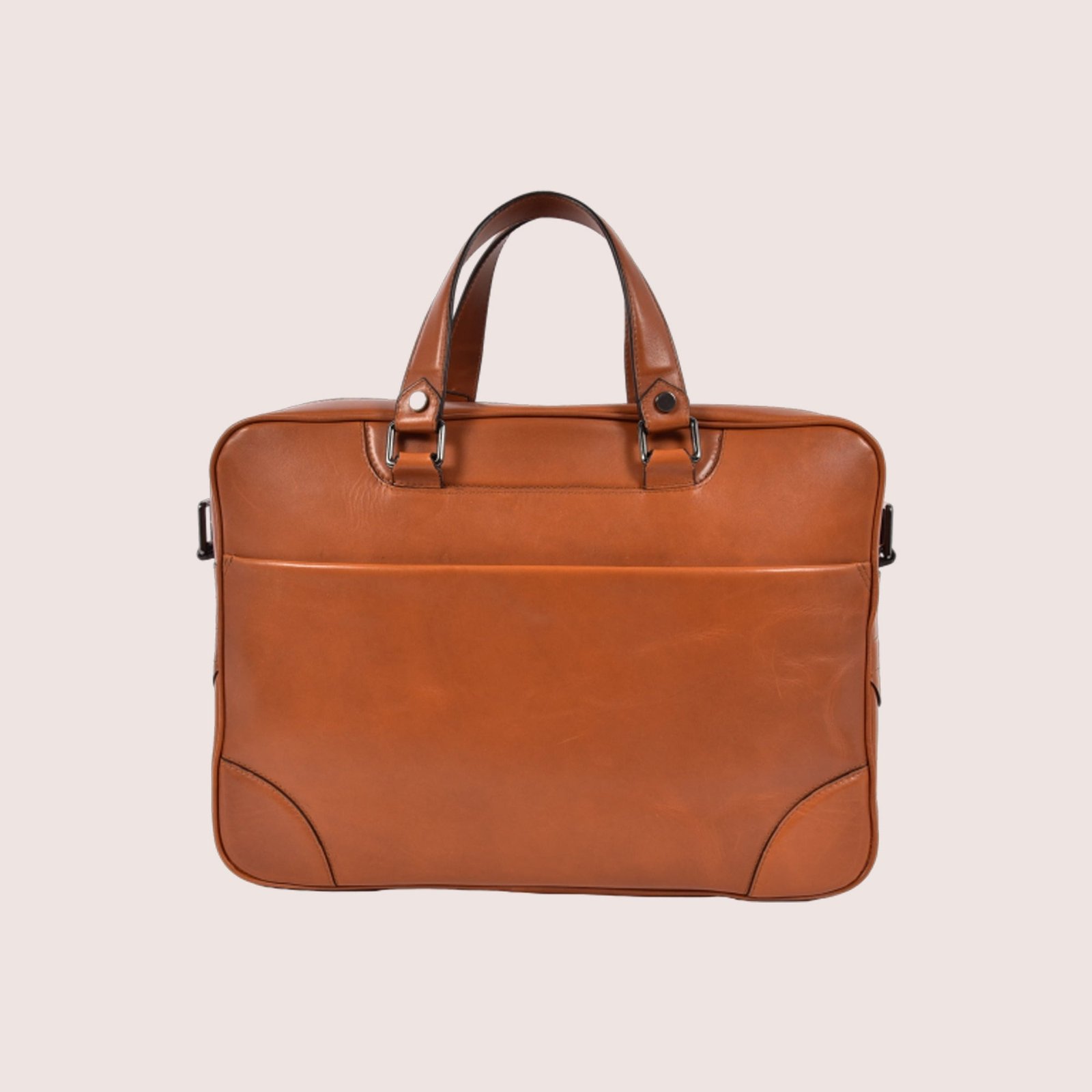
Most buyers focus heavily on appearance while ignoring the parts that actually determine how long a bag survives daily use. This happens often with a leather briefcase for women, especially when style becomes the main buying factor. A bag may look premium online yet still fail quickly in the areas that matter most during real everyday use.
Most People Judge a Briefcase Too Quickly
Buying a briefcase has become strangely visual.
People scroll through product photos, notice the leather texture, check the color, maybe glance at the compartments, and make a decision within minutes. But the biggest durability problems are usually hidden in places buyers barely inspect.
That’s why some bags look impressive at first but start falling apart long before expected.
The frustrating part is that these failures are often predictable if you know where to look.
1: Weak Strap Connections
This is probably the most ignored issue in modern briefcases. Many buyers test the shoulder strap itself but forget to inspect the actual connection points where the strap attaches to the bag. That small metal ring or stitched leather loop carries the entire weight every single day.
And honestly, that’s where many bags begin failing first. A bag may survive occasional use perfectly, but daily commuting changes everything. Laptops, chargers, notebooks, water bottles, and random essentials add weight fast. Over time, weak stitching or thin attachment hardware starts loosening under pressure.
You usually notice small warning signs first:
-
Slight pulling around stitching
-
Tiny cracks near the hardware
-
Uneven stress marks on leather
-
Metal clips becoming loose
Then one day the strap gives out unexpectedly while walking through an airport or heading into work.
People shopping for a leather brief bag often focus on external design but overlook these structural areas completely. Yet those small connection points usually determine whether the bag lasts two years or ten.
Why Cheap Hardware Ruins Good Leather
Sometimes the leather itself is perfectly fine. The real problem is the hardware. A lot of brands reduce manufacturing costs by using lightweight zippers, weak clips, or low-quality metal rings while still marketing the bag as premium. The leather may age beautifully while the hardware begins failing within months.
That mismatch frustrates buyers because the bag still looks expensive even while functioning poorly. A quality briefcase should feel solid in the hardware too. Zippers should move smoothly without catching. Clasps should close firmly. Metal pieces should feel substantial instead of hollow or flimsy.
This becomes especially important with genuine leather briefcases because people expect them to last for years, not just survive one season. Good leather cannot compensate for weak construction forever.
2: Poor Corner Reinforcement
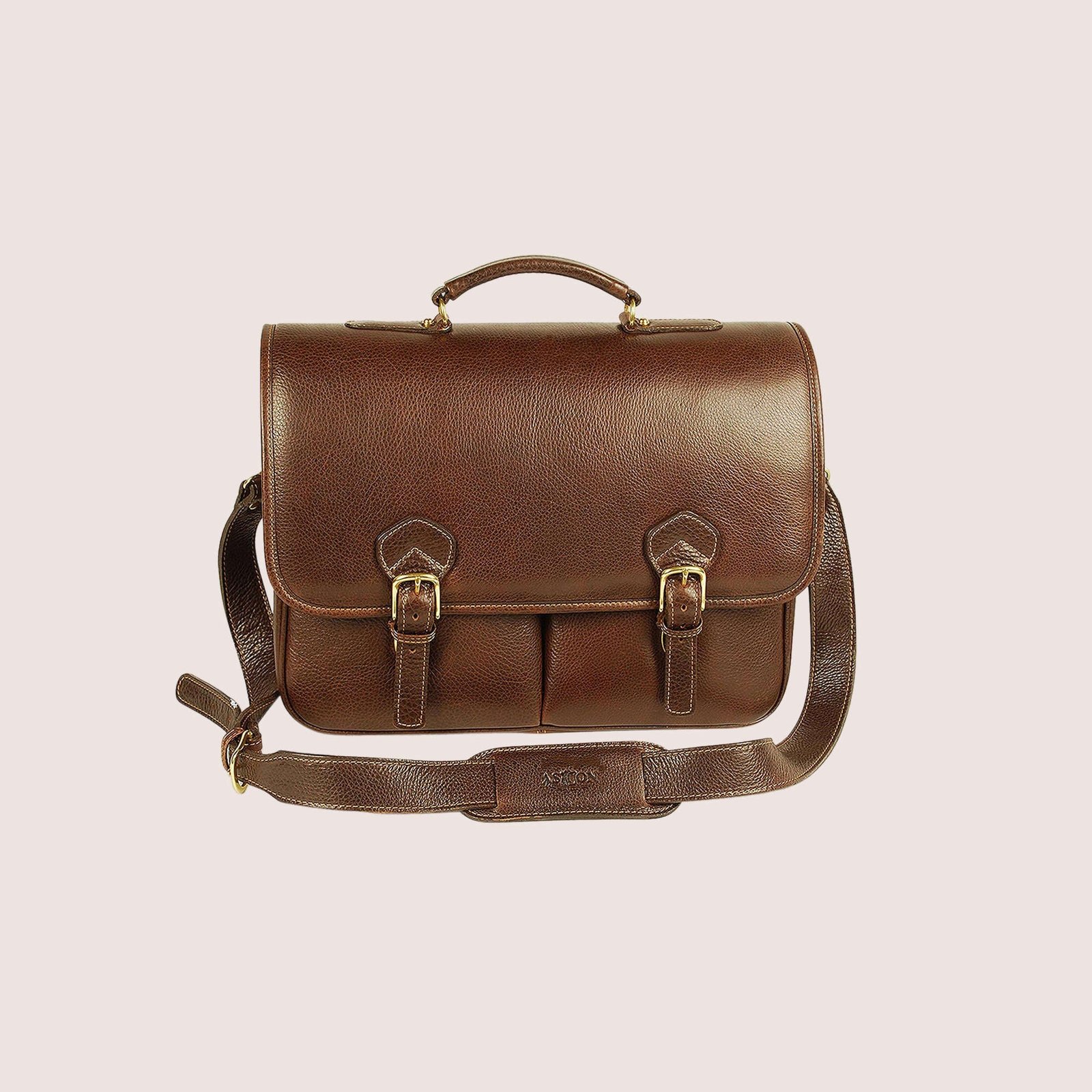
Corners take more damage than almost any other part of a briefcase. People place bags on office floors, car seats, airport counters, restaurant chairs, and crowded train stations daily without thinking much about it. Those repeated impacts slowly wear down the edges first. The problem is that many buyers never inspect corner construction before purchasing.
Some bags use thin leather layers around high-contact areas to keep costs low. Others lack proper reinforcement entirely. At first, everything looks fine because the leather still feels smooth and polished. Then the corners begin softening, bending, or peeling much faster than expected.
I once bought a work bag that looked incredible online. Six months later, the bottom corners looked older than bags I had used for years. The leather itself wasn’t terrible — the structure simply couldn’t handle daily commuting.
That experience honestly changed the way I evaluate bags completely. Now the first thing I check is how the corners are built.
Daily Use Reveals Problems Faster Than Occasional Use
This is something many buyers underestimate. A briefcase carried once or twice a week ages very differently from one used every single day. Constant movement, changing weather, weight pressure, and repeated contact points slowly expose weak construction.
That’s why durability matters far more for professionals who commute regularly. Buyers often choose black leather briefcases because they look timeless and professional in almost every setting. But darker leather also hides wear early on, which sometimes delays people from noticing structural damage until it becomes serious. The outside may still appear polished while the inside support slowly weakens underneath.
3: Weak Internal Structure
This is the failure point nobody notices until it’s too late. A briefcase can look beautiful externally while the inside structure slowly collapses after months of carrying weight.
Cheap internal lining, weak base support, or poor compartment reinforcement causes the bag to lose shape gradually. Over time, the bottom starts sagging, compartments stretch unevenly, and the entire bag begins looking tired even if the leather still looks decent. This matters more than people think because structure affects usability too.
Once the inside weakens:
-
Laptops stop sitting securely
-
Documents bend more easily
-
Zippers become harder to align
-
The bag loses its professional appearance
And honestly, nothing ages a work bag faster than poor structure.
Many buyers searching for classic leather briefcases expect a bag that continues looking sharp for years. Strong internal support is a huge part of that long-term appearance.
Why Stitching Matters More Than Branding
People get distracted by logos constantly. But stitching usually tells you far more about a bag’s quality than branding ever will.
Good stitching looks consistent, tight, and reinforced around stress areas. Loose threads, uneven lines, or thin seams usually signal cost-cutting somewhere in production. And unfortunately, once stitching starts failing, problems spread quickly.
The frustrating part is that many expensive-looking bags still use weak stitching hidden beneath polished marketing photos. That’s why physically checking a bag whenever possible makes such a difference.
Weight Distribution Is Often Ignored
A bag may feel comfortable for five minutes in a store. That doesn’t mean it stays comfortable during a full commute. Poor weight distribution puts extra strain on straps, corners, and internal seams. Over time, uneven pressure accelerates wear in very specific areas.
People buying a leather brief bag for work often realize this only after carrying laptops daily for several weeks. One side begins stretching faster, the base softens unevenly, or the shoulder strap starts pulling awkwardly. A well-balanced briefcase usually feels structured even while carrying heavier items.
Good Leather Ages Differently
One reason people still invest in leather bags is aging. Quality leather develops character over time instead of simply wearing out immediately. Small creases, texture changes, and softening can actually improve the look when the construction underneath remains strong.
That’s why buyers interested in genuine leather briefcases usually care about long-term durability rather than short-term appearance alone.
A good bag should look lived-in after years of use — not damaged. And there’s a big difference between those two things.
Final Thoughts
Most briefcase problems don’t come from the leather itself. They come from overlooked construction details that buyers rarely inspect before purchasing.
Weak strap connections, poor corner reinforcement, and failing internal structure are three of the biggest reasons bags wear out faster than expected. A stylish design may catch attention first, but durability always reveals itself later through daily use.
If you’re investing in a leather briefcase for women, looking beyond appearance can save both money and frustration long term. A well-made briefcase should not only look professional on day one it should continue handling real life comfortably years later too.

 English